

An organic garden and yard is easy to achieve.
Written by Barbara Hobens
First written for and published for Reviewed on July 10, 2019
Organic gardening means only using products that are natural, not synthetic, to care for everything you grow. Sounds great, right?
But keeping things simple can still be complicated if you’re not sure what to do. Want to start incorporating organic gardening and lawn care into your yard? Here’s everything you need to know.
A history of organic gardening
Before the Industrial Age, home gardeners and farmers used natural ingredients to grow vegetables, fruits, berries, and herbs. Synthetic pesticides were introduced in the 1930s and 40s, but have garnered a mixed reception among users and produced potential health risks.
Gardeners can now look for labels that clearly state that the product is organic. The following products are no longer marketed or sold as being organic: synthetic pesticides, herbicides, fungicides, and genetically engineered or modified seeds and plants. DDT wasn’t banned until 1972, but only a few stores have banned RoundUp. Over a hundred products that are possible carcinogens are still being used. Read the entire label since “must wear gloves when using” is certainly not organic no matter how “Earth-loving” the product name sounds.
Organic vs. natural
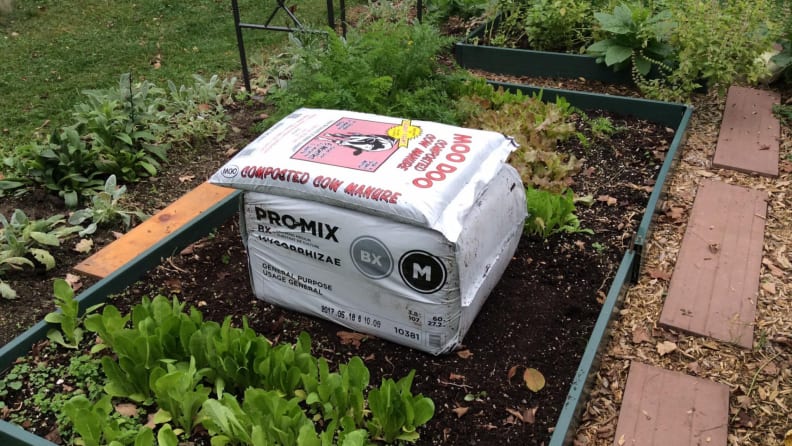
It is not a simple task to gain the legal right to have a product labeled organic by the U.S. Department of Agriculture and listed with the Environmental Protection Agency. When you buy something with their USDA Organic Seal label, it means it is free of pesticides and chemical fertilizers.
The terms “natural” or “all natural” have no legal definition with the EPA. They are responsible for protecting the environment, not food, and only certify organic garden and lawn products as being safe. Although the term “natural” should mean that it comes from the earth with little processing, that is not the case, so only purchase products labeled “organic” if that’s your goal.
The benefits of organic gardening

There are several reasons you should consider tending an organic garden:
- Food safety: In an organic garden, all vegetables, fruits, and herbs are safe to eat. How wonderful it is to walk in your garden and just pick and eat a ripe tomato or strawberry, knowing that it has grown in healthy soil and has not been sprayed or dusted with toxic products.
- Taste: There is just no comparison. Even a stalk of celery from the garden has surprising flavor compared with one from a supermarket.
- Improved performance: Whether you purchase soil in bags or create your own, adding organic compost will benefit all plants. Mix it into the soil before you plant seeds and seedlings in early spring, and add more to the soil during the growing season. Plants will be stronger, healthier, and be better able to resist diseases and pests.
- More nutrients: Peppers, corn, potatoes, and tomatoes benefit by side-dressing with organic fertilizer. You can also add some aged compost (never fresh since it burns tender seedlings) about 2 to 3 inches away from the stems. The nutrients will get down to the root system when you water them.
- Less garden bed maintenance: When you have healthy annuals, perennial beds, shrubs and trees, they can fight back against disease, extended heat waves, and pests.
- Lower costs: By thinning out seedlings, pruning plants, cutting up vegetable scraps into quarter-sized pieces, and adding leaves, Mother Nature can create nutrient-rich soil for you. Healthy plants do not need any special care or products to buy to maintain them.
How to establish an organic lawn care routine
Products sold to kill insects and weeds and to make lawns more green is lucrative to the manufacturers, but needless for achieving a healthy lawn.
Organic lawns are also green and may often include violets and clover. They are safe for walking barefoot, for bees to visit, children and pets to play on, and wildlife to walk across and eat.
What to look for in organic fertilizer
In small growing spaces, such as a window box, hanging planter, or container, don’t expect an unending source of nutrients to keep the flowers, vegetables, or herbs fed. You’ll need to supplement with fertilizer for optimum growth with an organic all-purpose fertilizer to the surface once they are planted.
Fertilizer can be added to annuals every two weeks. There is no need to make a fuss out of feeding your plants since it is not a precise or complicated science. Whether you purchase a powdered fertilizer, slow-release pellets, or something in a water-soluble form, read through the ingredients of the directions carefully and make sure the word “organic,” not “natural,” is used.
Fertilizers list a ratio of three numbers on the bag or box. The first number is nitrogen, which produces more chlorophyll, making foliage grow quicker; the middle is phosphorus, for root development and bloom size; and the third is potassium, which is key to disease protection. You can add a 5-10-5 granule mix to the soil in early spring and follow with a time-release fertilizer to last the rest of the gardening season, but the benefits will only last through that growing season. A soil test is best to determine what supplements your planting areas need.
For all fertilizer applications, wet the soil thoroughly beforehand and take care not to get any on the plants’ leaves or stems. Always follow with a deep watering since it stimulates plant growth and increases your plants need for water. Jot down when you have fertilized on your calendar or in your garden journal to note results and to plan for next year.
Organic and healthy treats for your garden
In addition to traditional fertilizer, there are some DIY methods you can use to boost the health and look of your garden.
Burying fish heads in vegetable gardens is a tradition for some folks, but nowadays, it’s easier to add fish emulsion that is a lot less complicated and is available in a concentrated liquid. Add a capful in a watering can or bucket and fill with water to feed all growing plants. Since the scent can linger, we suggest applying a few days before a garden party.
Mid-summer hot temperatures can stress out your tomato plants. If you notice that the leaves are yellowing just as the tomatoes are turning from green to red despite getting enough water, it could be a magnesium deficiency. Scratching some Epsom salt into the soil around the plants gives a natural boost to the roots.
Create a compost “tea bag” to add essential nutrients. It’s simple: Add some compost or manure into a piece of cheesecloth or into a clean cotton sock. Close the top with a rubber band and add your “tea bag” into a bucket of water or watering can. Let it sit for a week, remove the bag, and pour around your plants.
How to control garden pests organically
Control garden pests organically by spraying on a multi-purpose pest killer, horticultural oil, concentrated liquid garlic, fungicides, or create-your-own recipes. Temptations to stray to chemical warfare may emerge when unwanted pests attack, but there are many organic products and homemade cures that are just as effective. For pests, Pyrethrum spray and insecticidal soap works wonders.
Here are some common summer culprits to keep an eye out for:
Aphids
While pruning a rose bush, you may see tiny black aphids attached to the stem. Put on gloves and grab onto the affected area, set your water nozzle at a stronger setting, and just blast them off. You can also spray organic insecticidal soap to kill harmful insects such as aphids, mealybugs, and white flies.
Or try this organic homemade remedy right from the kitchen: Place some unpeeled garlic bulbs in a jar and cover with vegetable oil. Let this sit for a day, then add 2 tablespoons of cayenne pepper, 10 shakes of capital Tabasco sauce, 2 tablespoons of dishwashing liquid, and shake. After it settles, pour the mixture into a 32-ounce plastic spray bottle and fill to the top with water. Spray on and under leaves and stems. Make sure you label the bottle and refrigerate the rest for future use.
Powdery Mildew
Do the full, pink phlox or monarda look like someone shook dusting powder all over the leaves? Powdery mildew is a common fungal disease caused by dry soil and high humidity and seems to occur after brief summer thunderstorms. Depending on the severity of the mildew, a few homemade recipes will work. One option is to remove the affected leaves, prune the plants to improve air circulation, and fill a sprayer 40% of the way with whole milk and 60% with water. Spray the plant with the mixture, and make sure you get the underside of the leaves. Another successful recipe for reducing powdery mildew is to add a teaspoon of baking soda and three tablespoons of horticultural oil to a sprayer and top with water.
Slugs
Slugs can do a lot of damage to healthy plants. If you don’t have slugs, you are very lucky; if you do, join the party. There are a number of options you can try: add some dishwashing liquid and water to a jar and as you see them, pick off the plant and drown them, buy anti-slug pellets, pour salt on them, ring plants with crushed egg or seashells, circle your garden with copper flashing tape, or placing dryer sheets just under the soil. Since this is easier and effective, I pour non-alcoholic beer in a tuna can “planted” even with the ground; they crawl in to drink and drown.
The ultimate natural remedy for all bugs
You can order beneficial bugs to release in your garden to eat up the ones eating your plants. Numerous catalogs offer live delivery of insects. Ladybugs eat aphids and mealybugs, and praying mantises eat every insect in sight, with a special appetite for tomato hornworms and flies.
How to get rid of weeds organically
Weeding is part of the gardening experience—seeds are brought in by birds and spread in the wind. Physically pulling them is the most effective way to reach a weed-free garden. Pick them by hand as soon as you see them. Make sure you get out the whole root or it will just grow back and most likely spread. Invest in a great weeding tool that will get the entire root out.
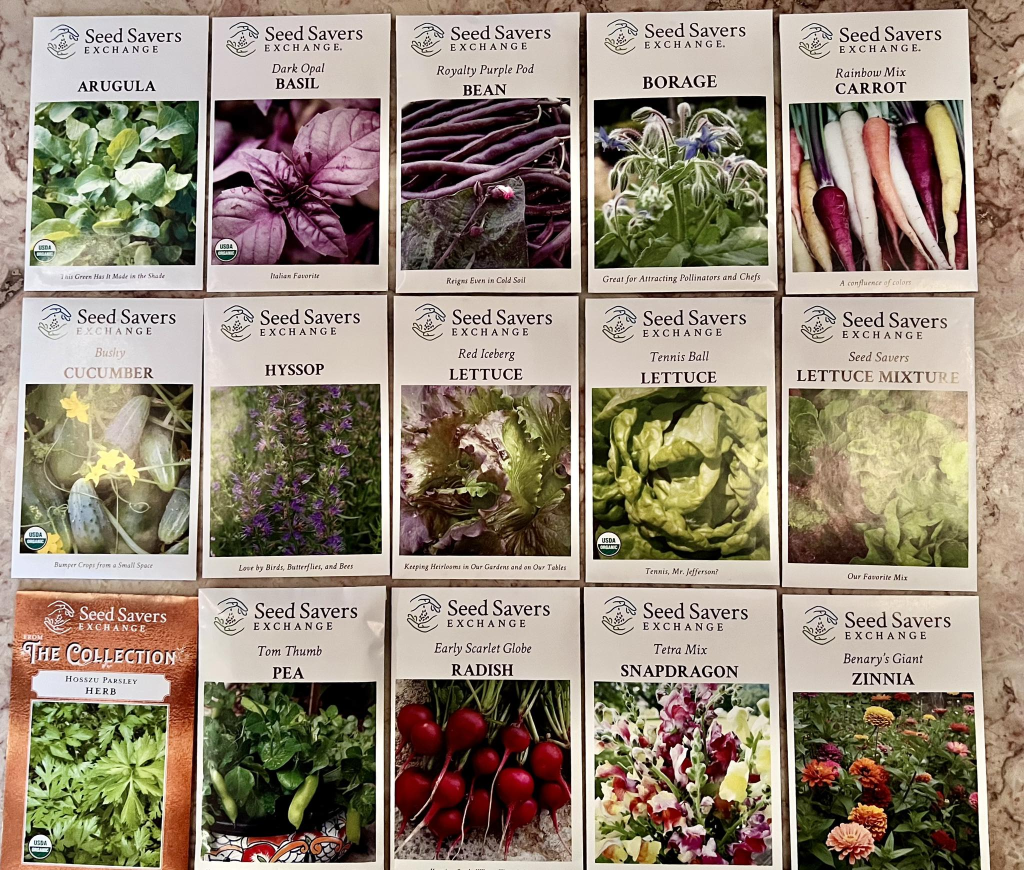
Purchasing organic seeds and plants
Purchasing seedlings that have been grown organically is more expensive, but can be worth it for those looking to grow organic plants.
Plant and garden supply catalogs list an assortment of liquefied, concentrated, pelleted, composted, and granulated organic fertilizers and soil amendments. Some natural and recycled ingredients available include kelp; cow manure; worm castings; ground crab, lobster, and crawfish shells; bat guano; rock and mineral powders; bone meal and dried blood (high in nitrogen and a great summer soil booster).
Visit garden shops for new products and fun ways to add organic nutrients to your soil. A few years ago, I was given a gift of small frog and rabbit statues made from compressed manure that slowly disintegrated. They looked right at home in an herb planter on the roof garden, and (like all aged compost) they were odor free.
The bottom line
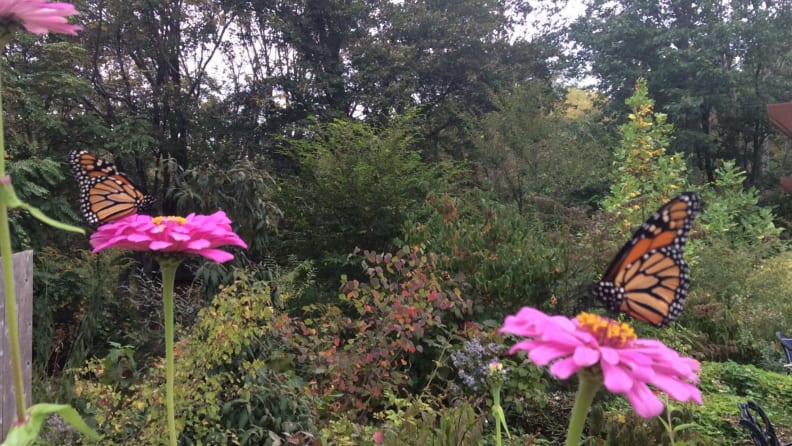
Do you enjoy welcoming wildlife to your garden and buy seed or suet to attract songbirds to your yard? Do you purchase plants that you hope will attract bees, butterflies, and hummingbirds? Consider how the products you’re using in your garden beds, on your lawn, and elsewhere in the yard may harm or even kill them.
Organic gardening is simple, less expensive in the long run, and you can smile when you notice a bird eating a berry or a rabbit nibbling on the grass, and know you have helped nourish them.
 BARBARA HOBENS