Dr. Franklin’s tree

When being asked to give another lecture at the Philadelphia Flower Show a decade ago of course I said yes. I had always wanted to visit Bartram’s Garden – the oldest surviving botanical garden in America. It did not disappoint the gardener or historian in me!

Home

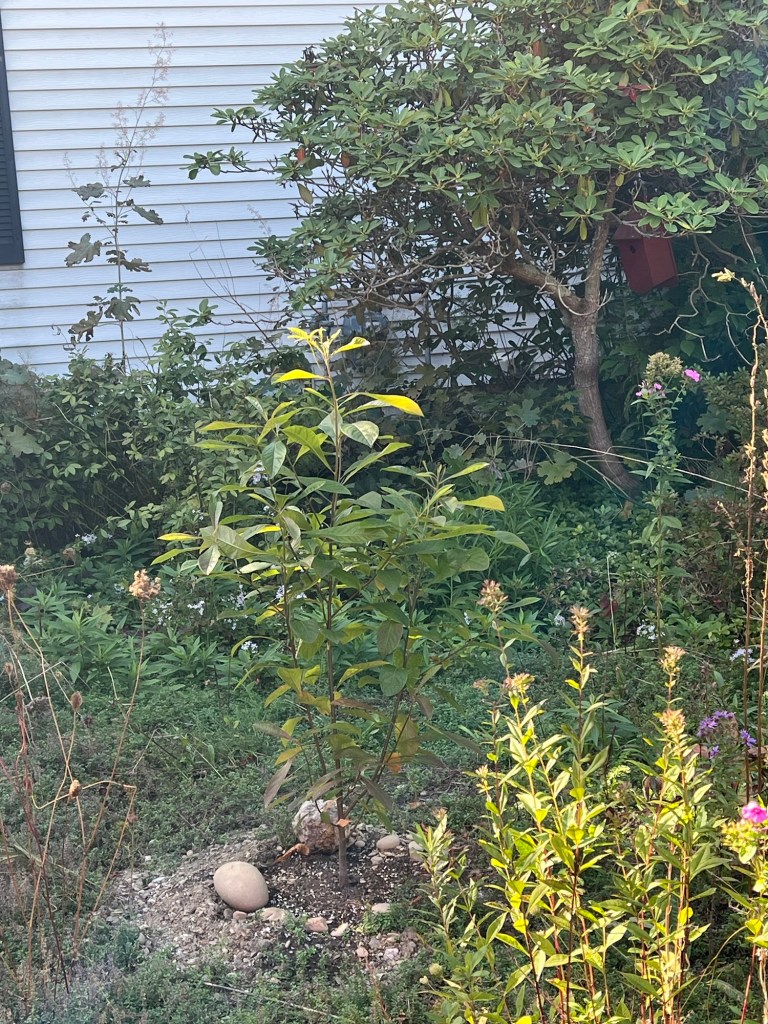
The Franklinia (Franklinia alatamaha) is their signature tree but was found by John and his son, William Bartram, growing in a small grove in southern Georgia in 1765. A year later, William returned to gather seeds. It had never been found in the wild since.

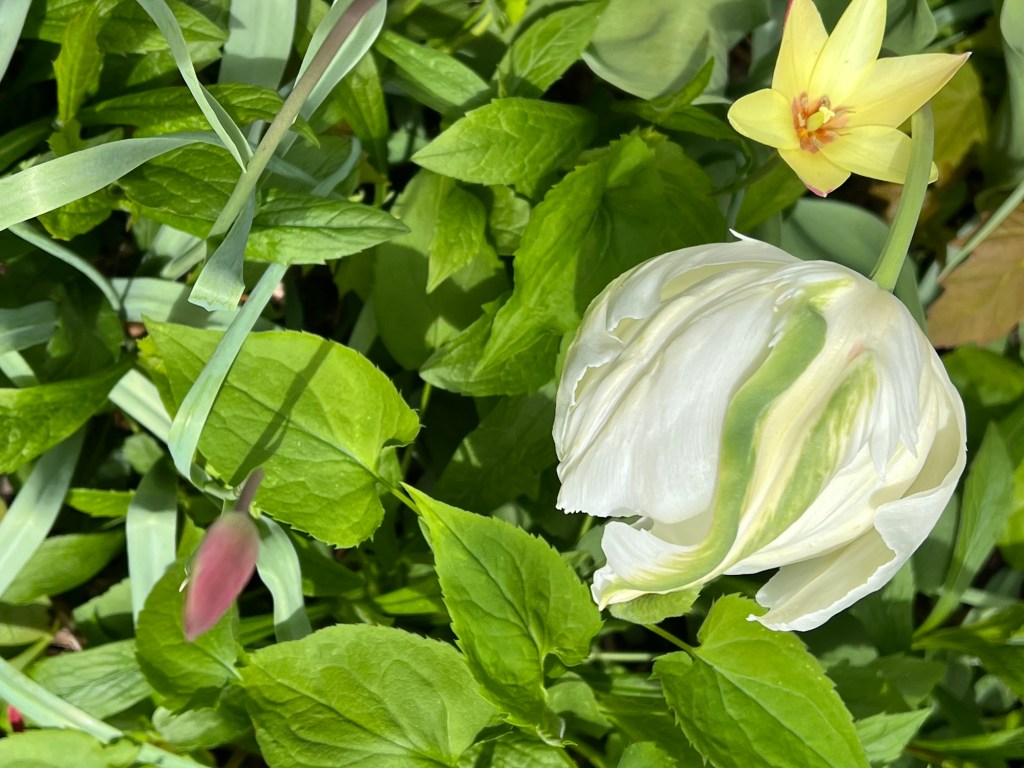
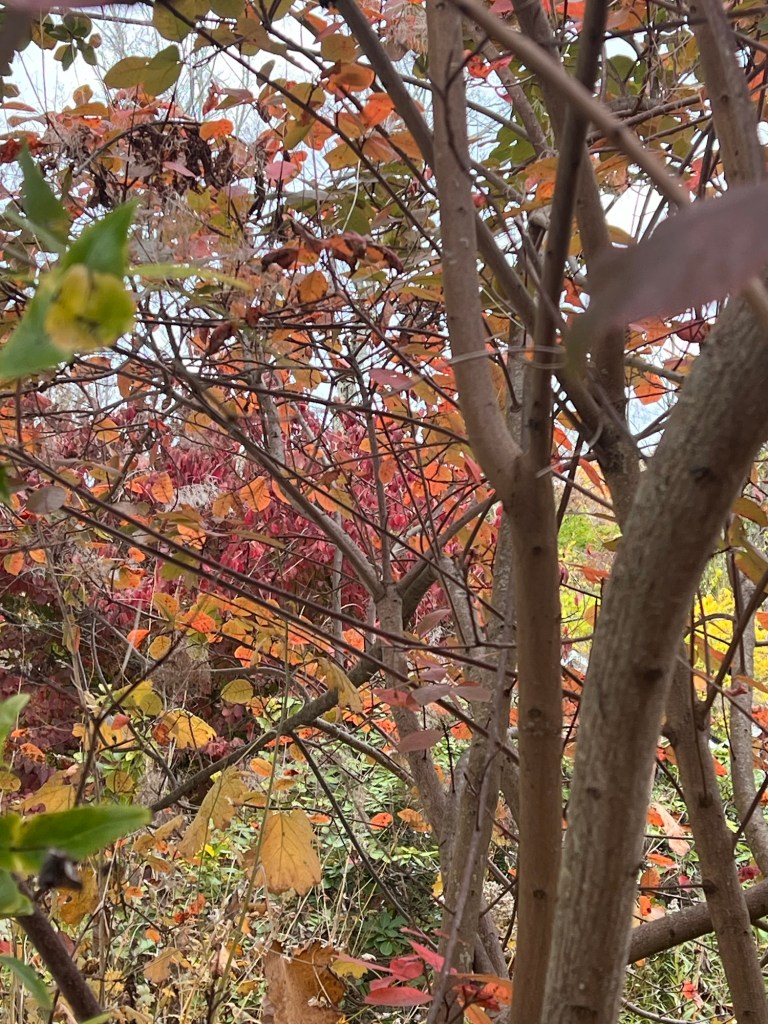
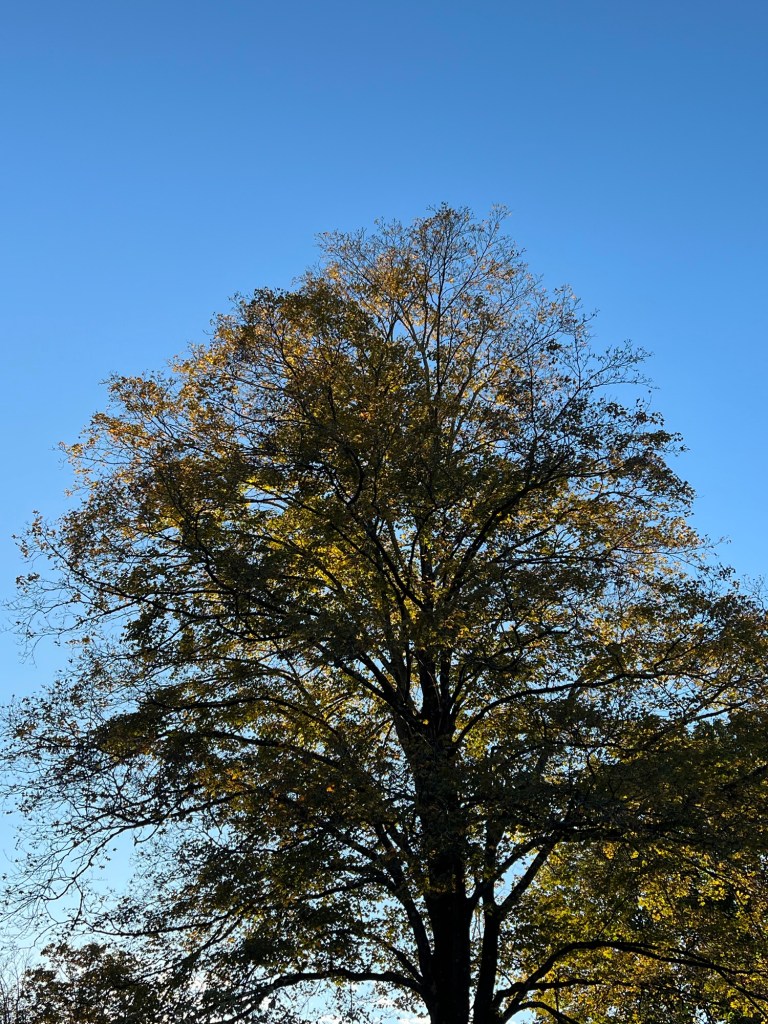
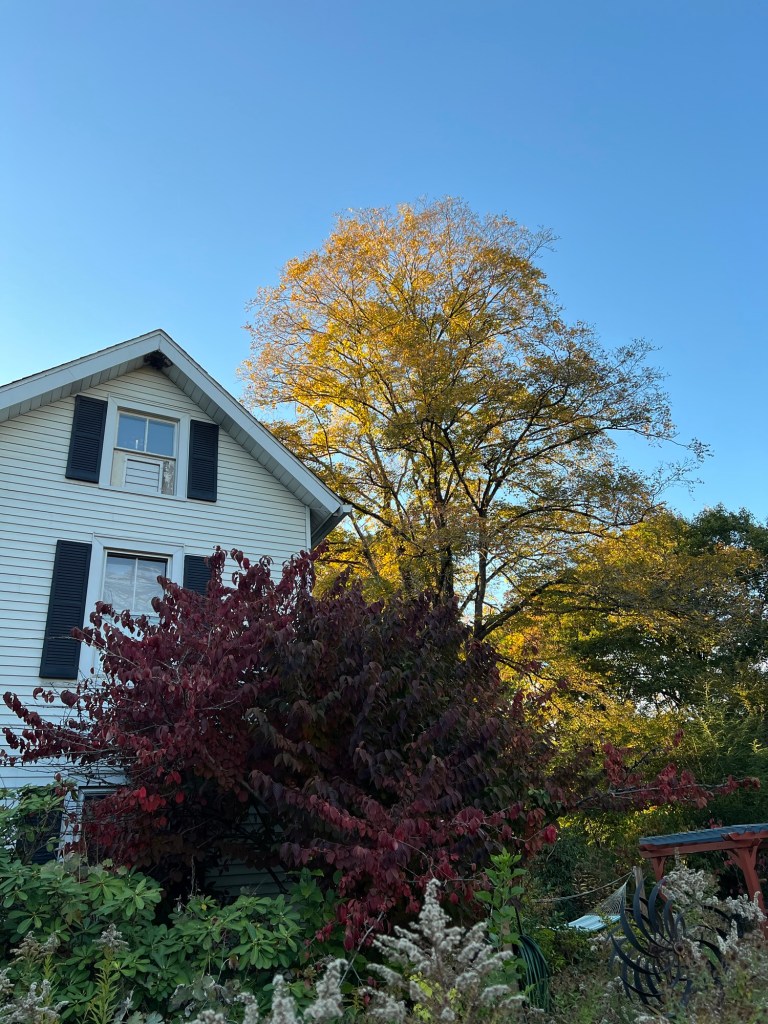
All current Franklinia are descended from those grown by the Bartrams. It was named to honor John Bartram’s great friend, Dr. Benjamin Franklin. Large and fragrant white flowers bloom in late summer; the early fall leaves of red and orange are striking!

It grows about 30’ high and wide. In the tea family, this tree requires full sun; it thrives in Zones 7 (Philadelphia) and 6 (Hudson Valley of New York State).

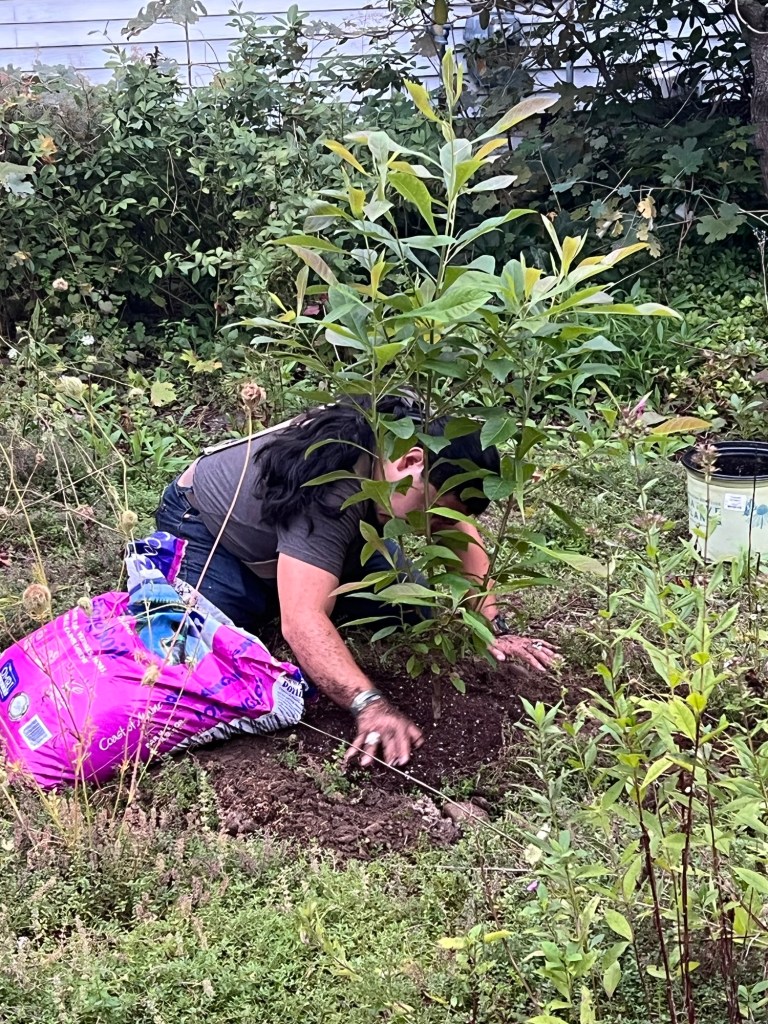
It took many years, but I found one thanks to the Catskill Native Nursery – not far from Mohonk Mountain House. What a fabulous place to visit! The staff are very knowledgeable and nice and all their plant labels explain the plants’ growing needs!
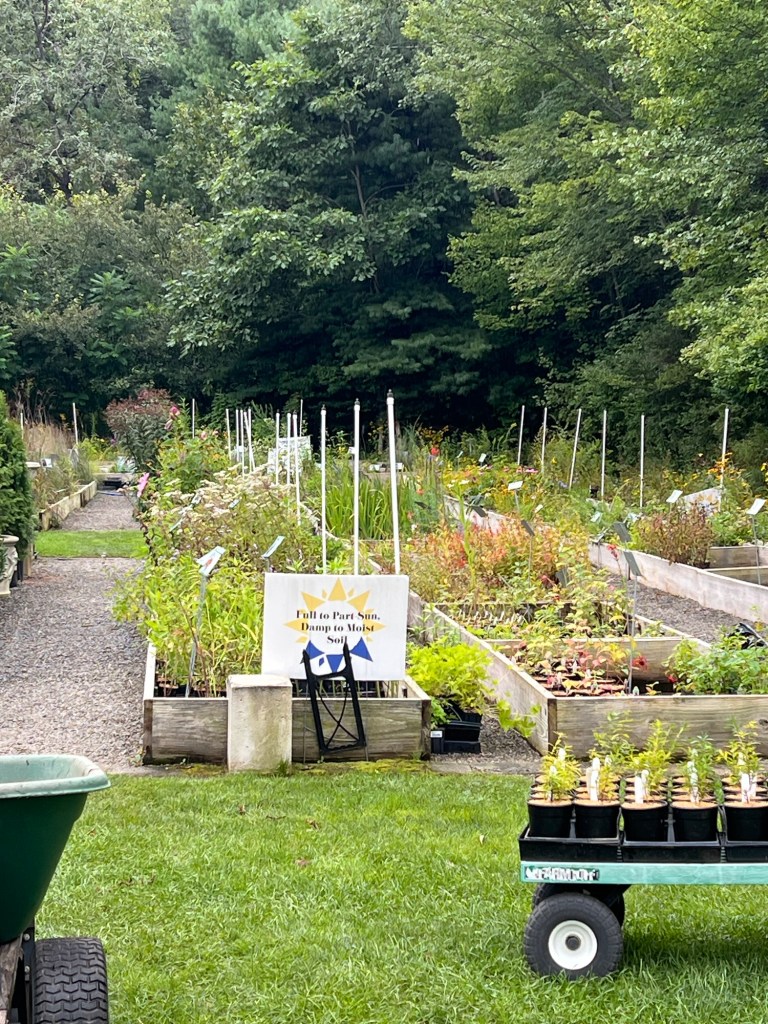
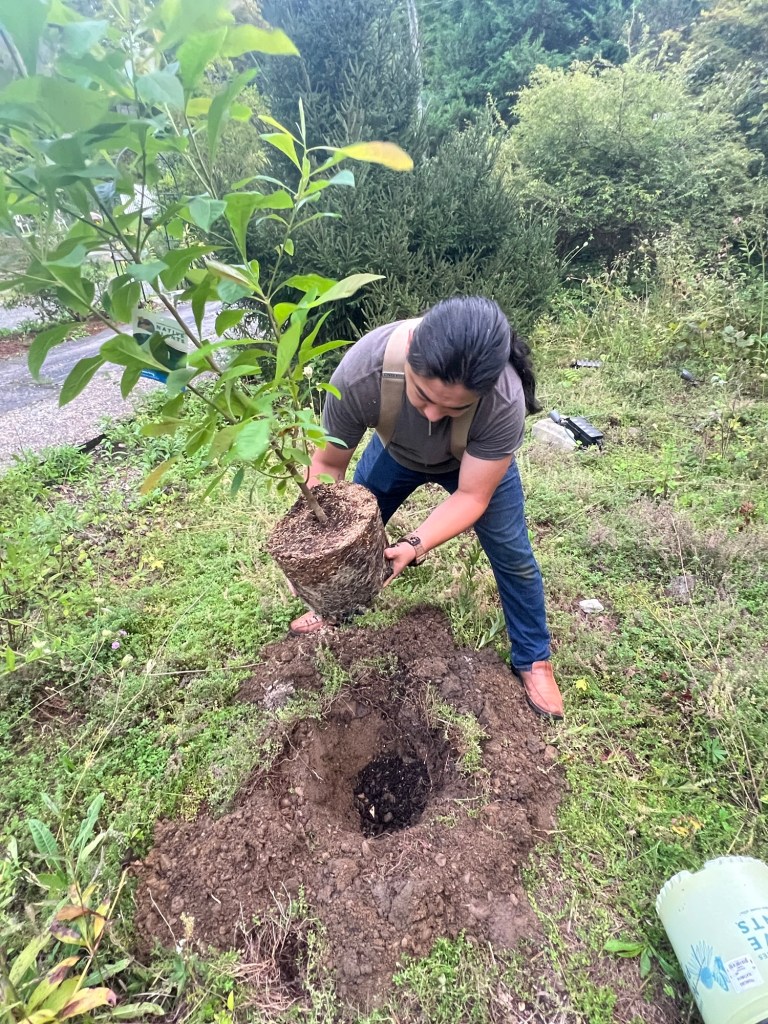
https://catskillnativenursey.com

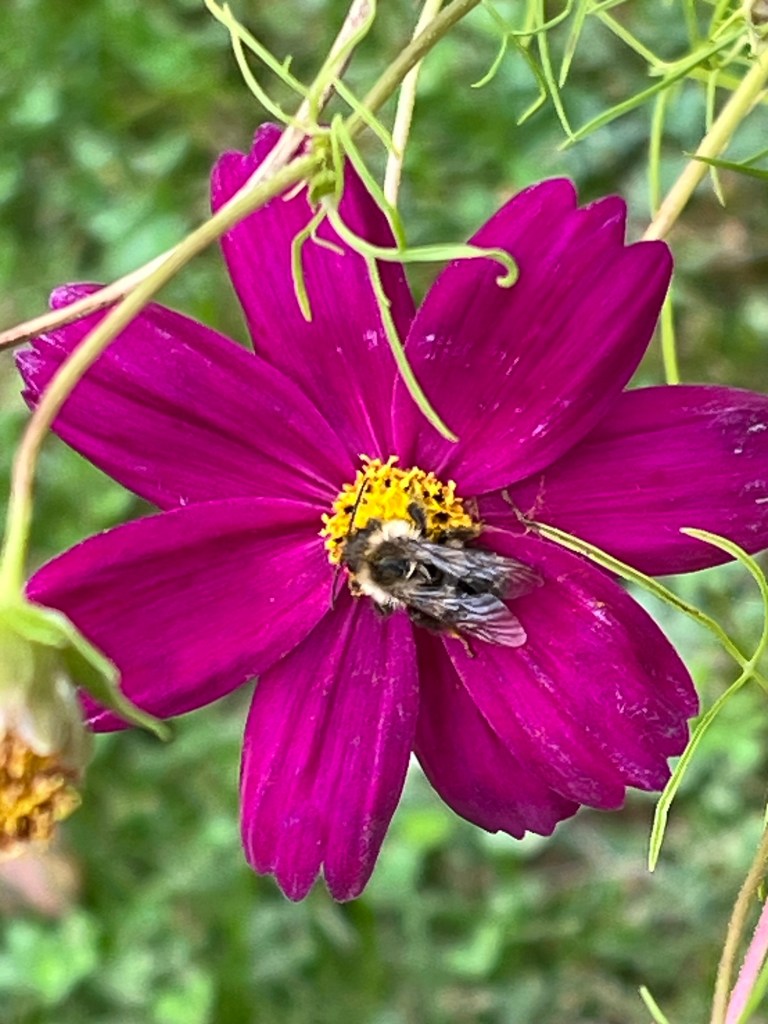
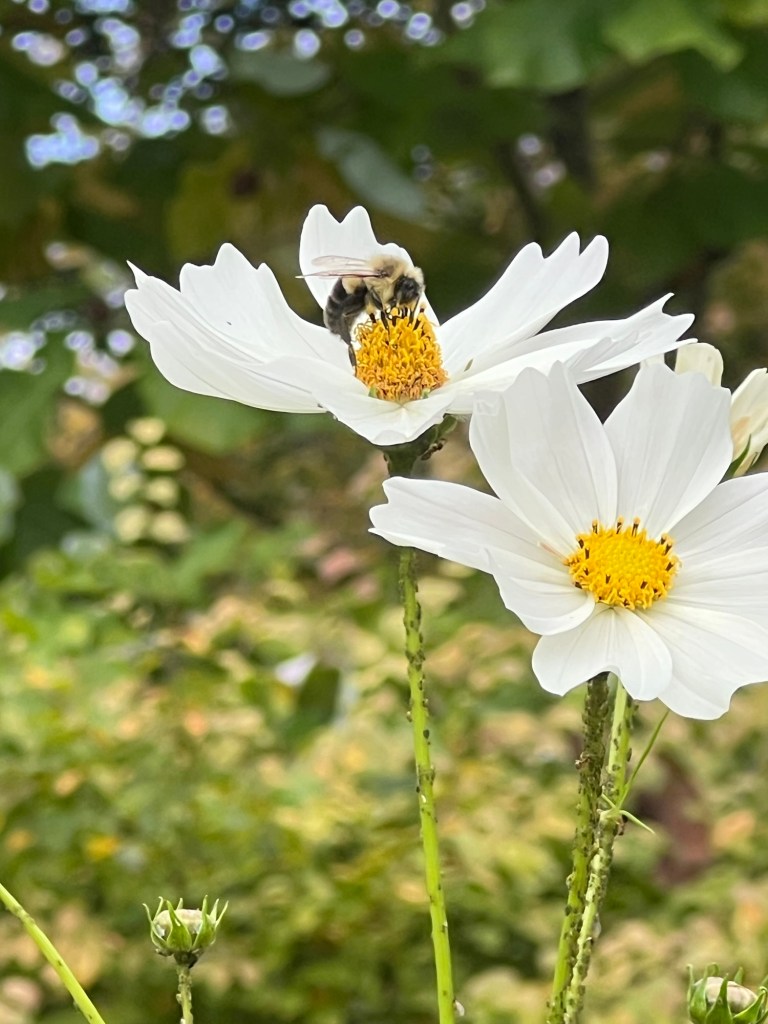
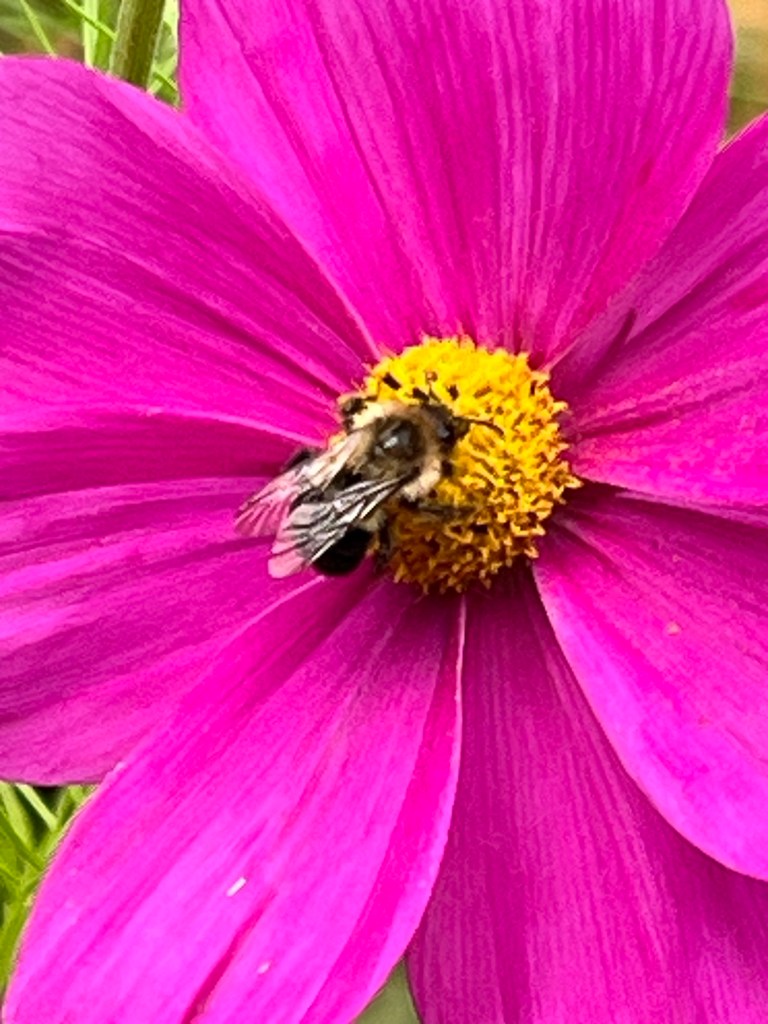
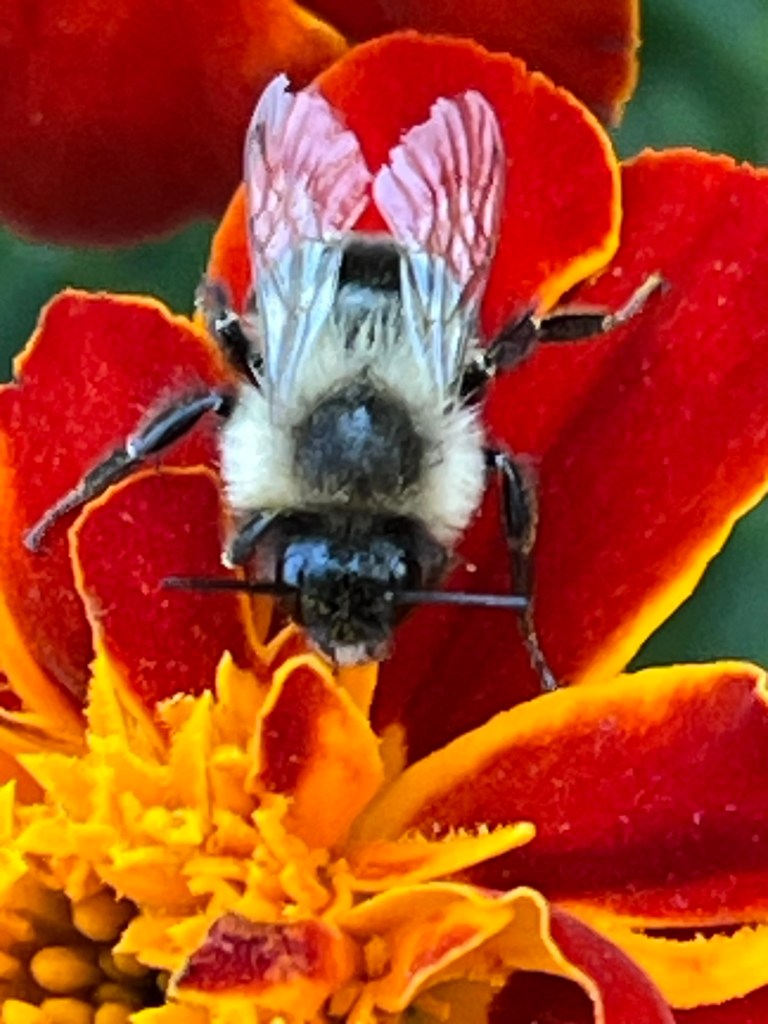
Franklinia alatamaha is not native to New York but attracts bees. Its large, fragrant, white, camellia‑like flowers
with golden centers bloom from July through September. providing a valuable nectar source when many other trees have finished flowering. This makes it especially useful for supporting pollinators in the late growing season. Hummingbirds may visit for nectar, 
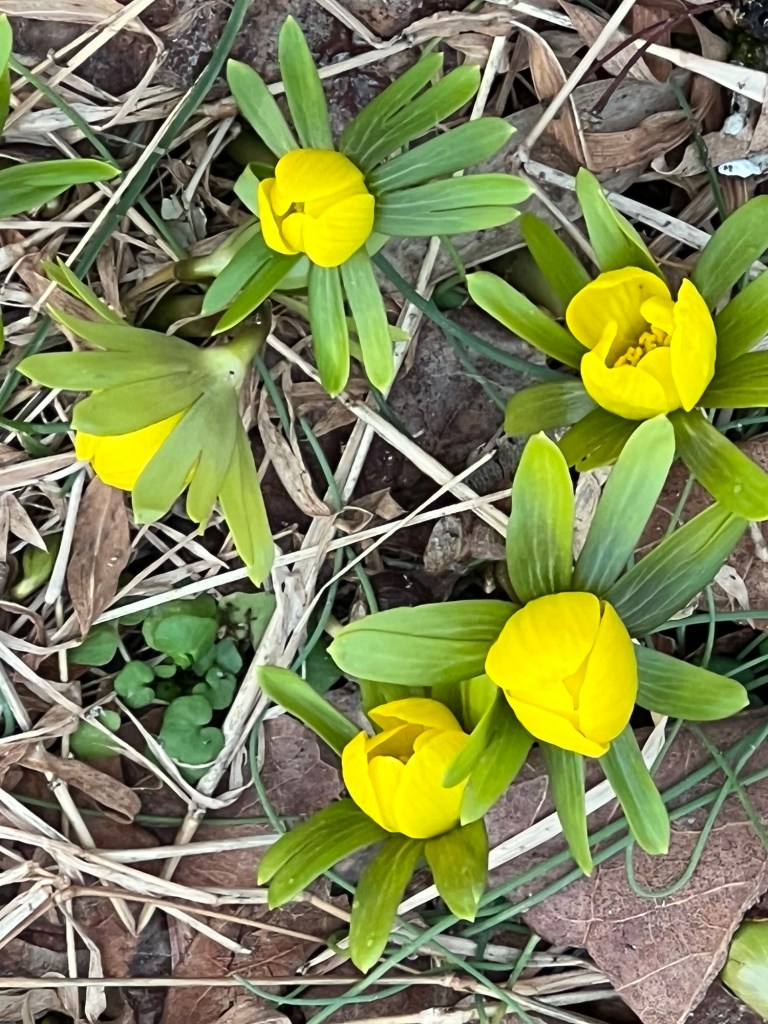
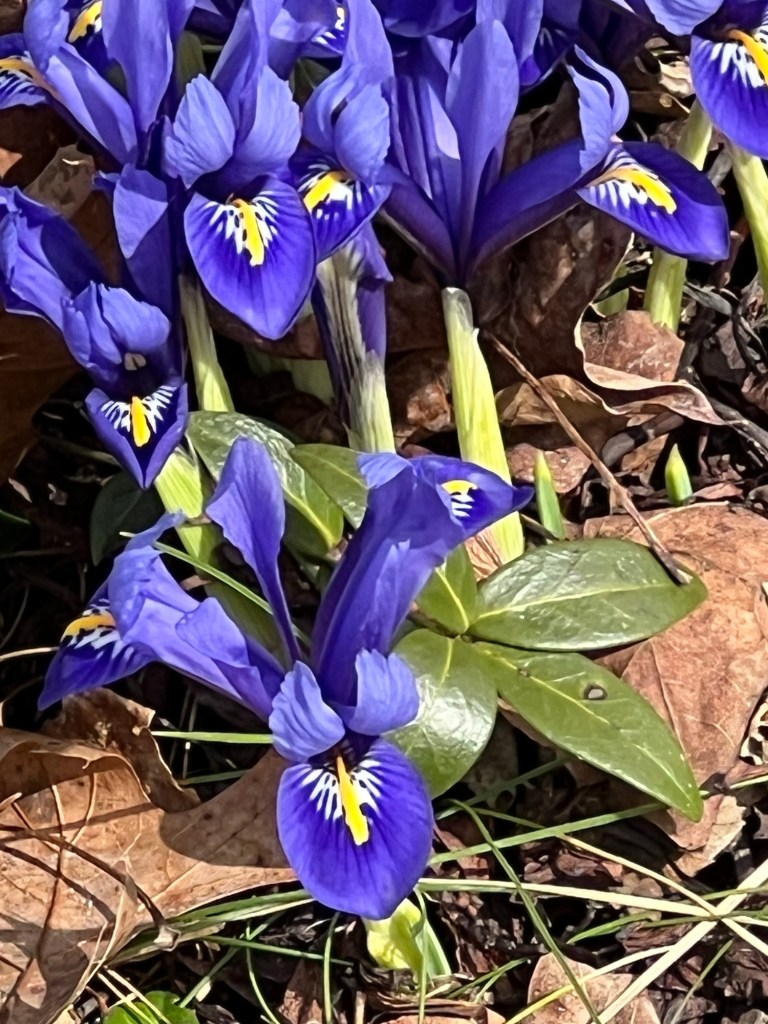
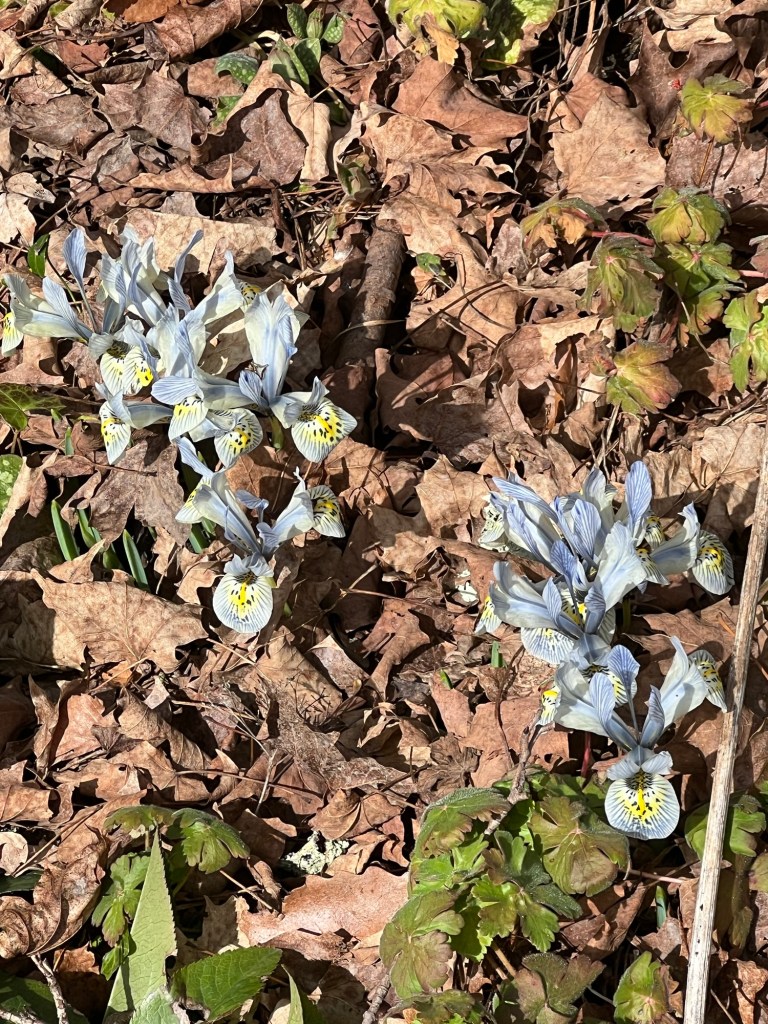
Hibernation is over – countdown to Spring!

Here in New York State, an hour north of New York City, the Planting Zone used to be Zone 5 but due to rising temperatures, it increased to Zone 6b and 6a depending how close you garden to the Hudson River.

LOOK UP YOUR PLANTING ZONE!

What does it really mean? Well, first of all (I do not shy from politics) despite what comes out of the Oval Office these days, climate change is very real and I would only purchase a perennial or tree if I know it will thrive in at least Zone 7.

I am also not a “purist” and have planted non-natives next to native plants. But know that the QUAILTY of the nectar that pollinators need is BEST when you grow the real native plant that is thriving in your Zone.

NOW is the time to PLAN what you want to grow – vegetables, herbs, and flowers, shrubs, and trees. Get out paper and pencil and mark where your full sun and shady places are and let your tastebuds and color preferences guide your way.

SO GLAD TO WELCOME Gardening Season 2026! A foot of snow on the ground still….but icicles are melting and saw Cardinals, Bluebirds, and an Eagle yesterday.

A Gut Wrenching Site

To some people, a planting bed filled with beautiful, perennial plantings timed just right for a year round display of beauty and offering pollinators a place to grow and enjoy nectar is “just some flowers” but to others, it “told the time of the seasons.”

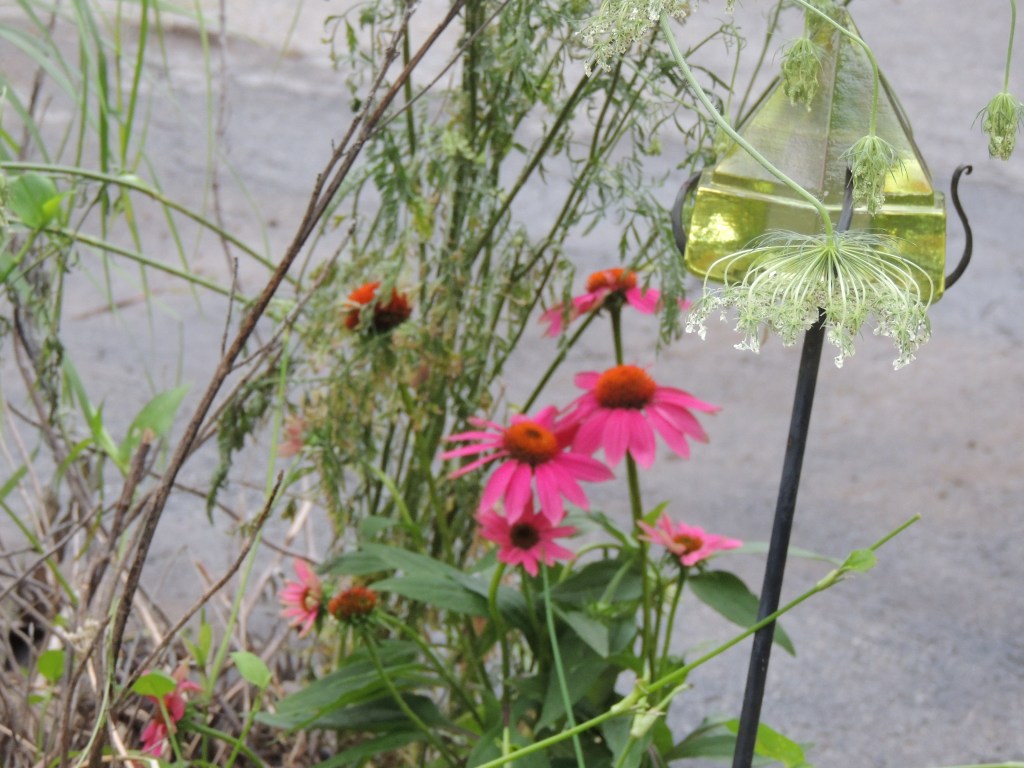
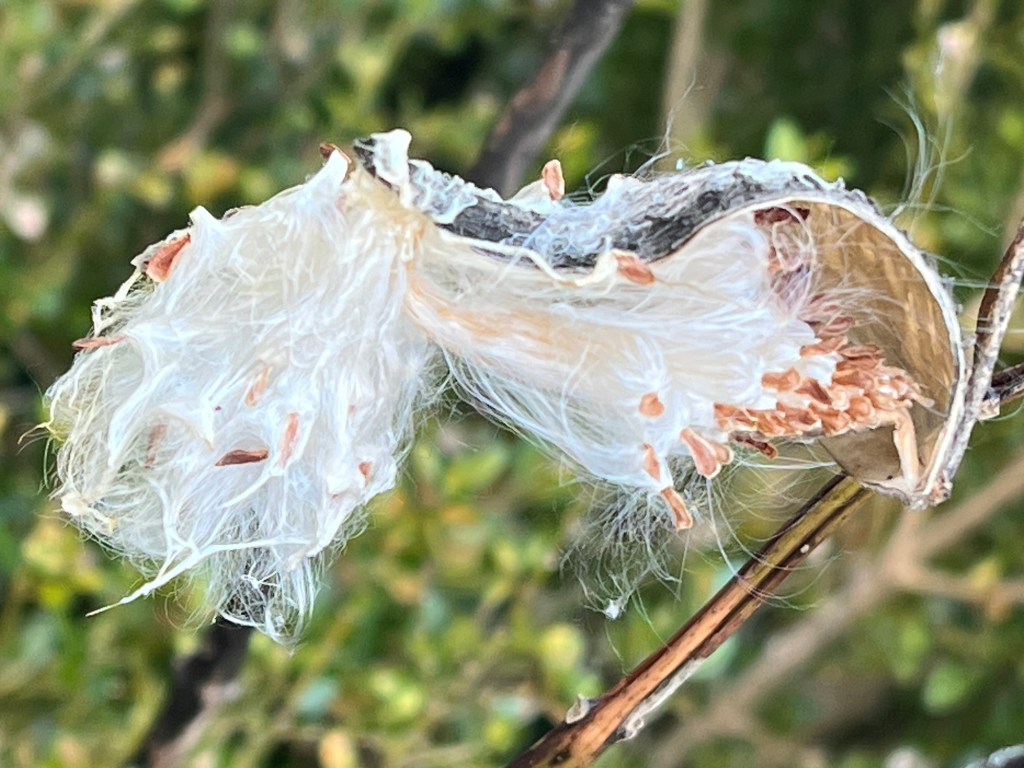
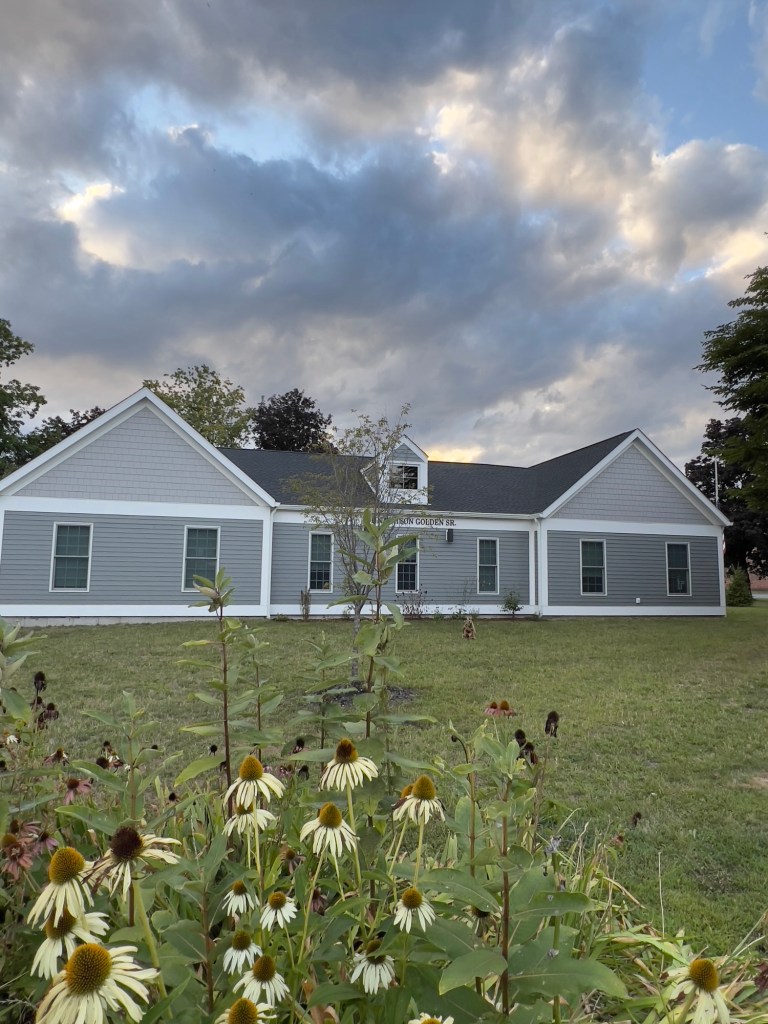
The corner bed included coneflowers, iris, native sunflowers, roses, and milkweed.
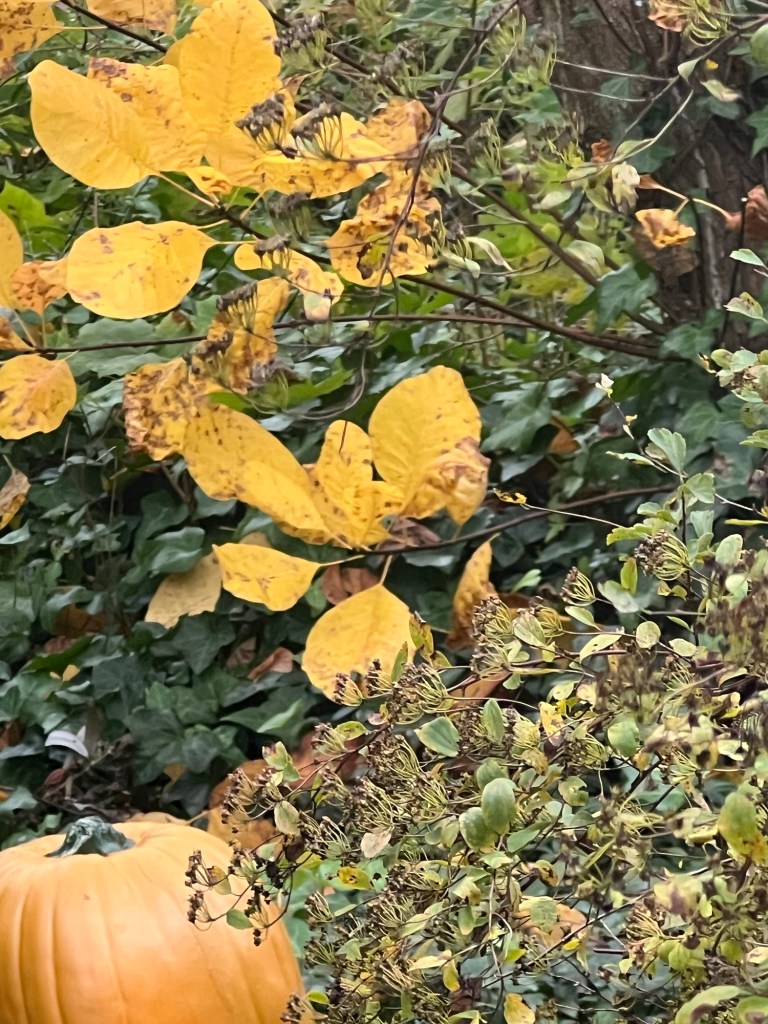
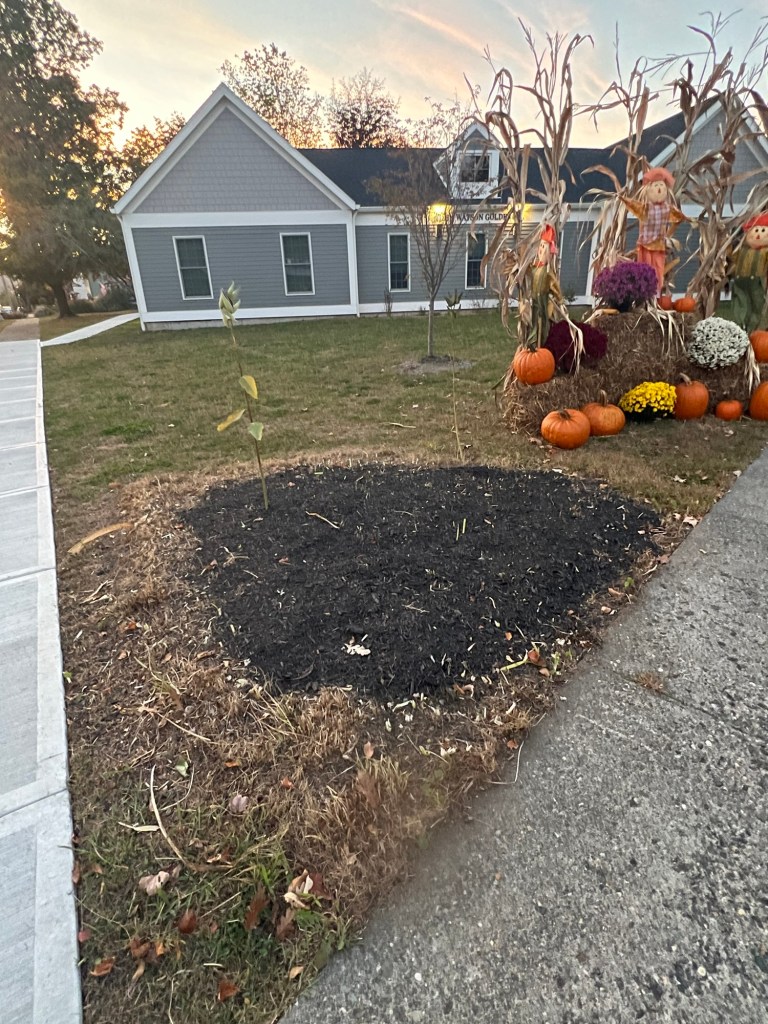
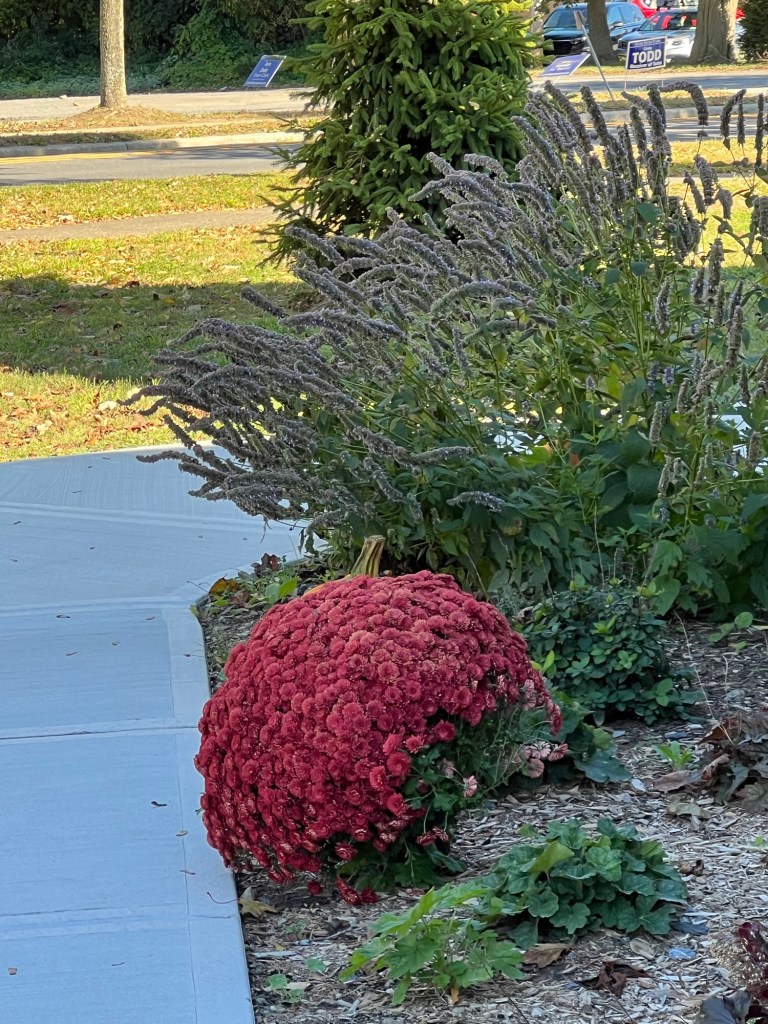
The planting bed is now leveled. The last weekend of September found mums staked into the native beds with long wood dowels and pumpkins placed atop plantings.

Communication is KEY!

When grants, donations, and volunteer hours are given and permission to do so is granted by the Town, no one should take it upon themselves to damage, alter, and in this case, destroy what had been admired for many years.