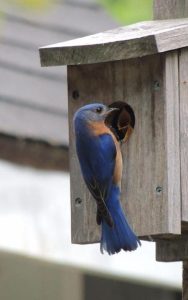
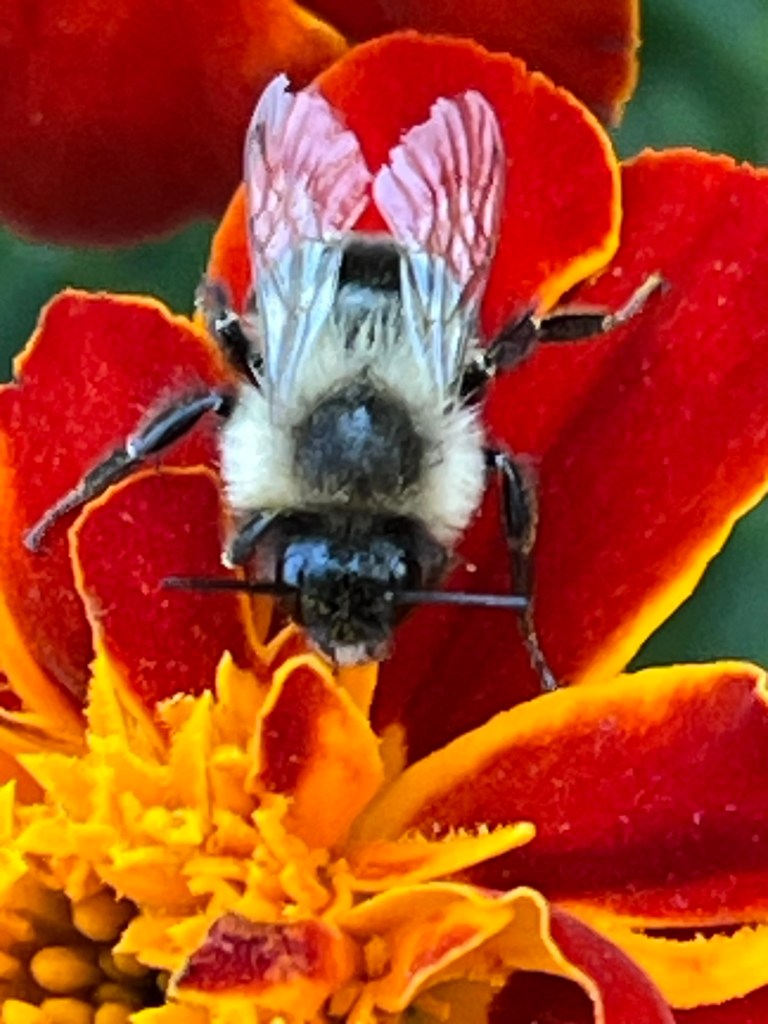
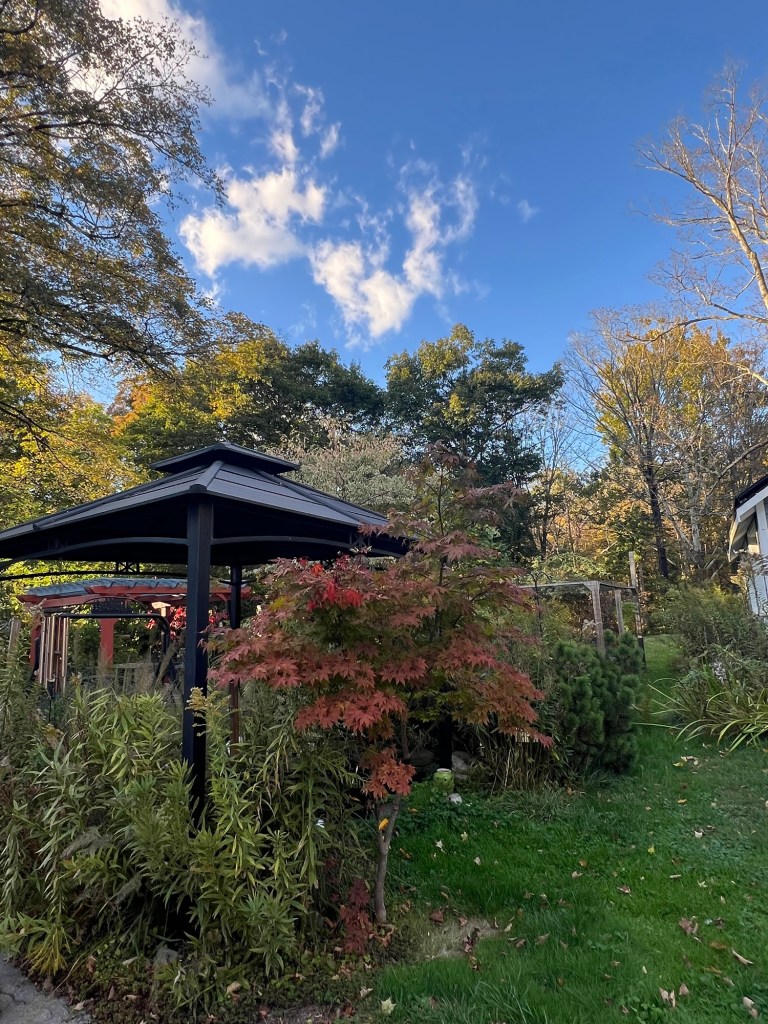
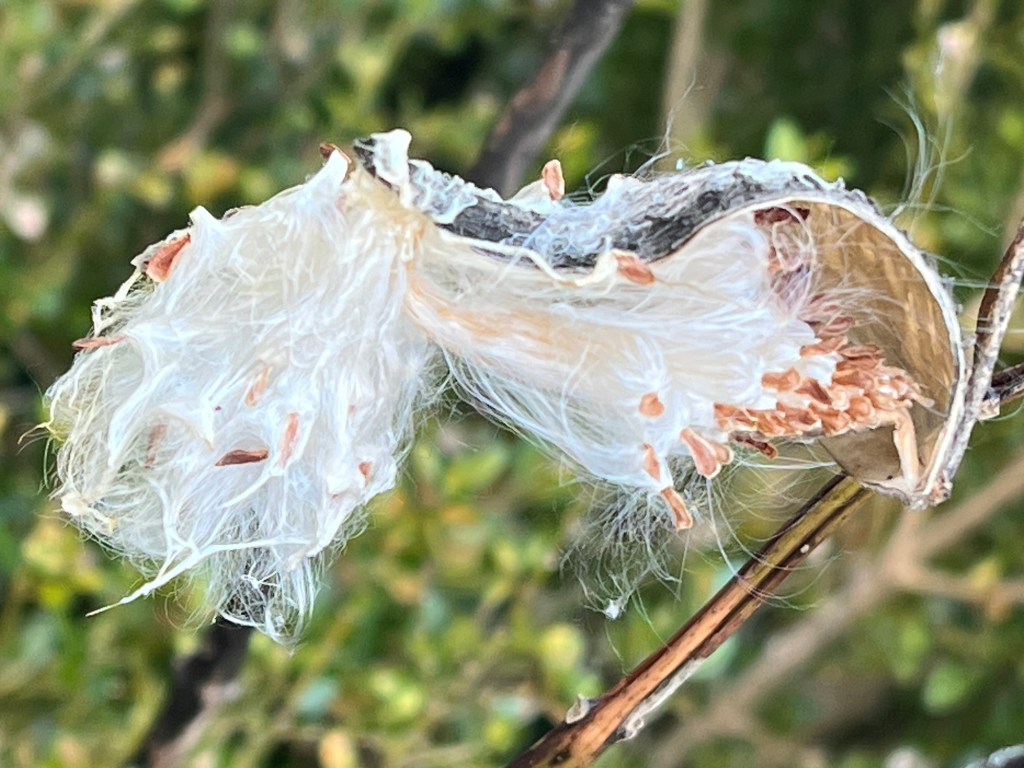

Was so glad to read about an opportunity to write Ecological Restoration grants to create native plant gardens for two public places in Hyde Park, NY last October.
Well, both grants were awarded and over $9,171 has been carefully allocated thanks to Partners for Climate Action, Hudson Valley, a project of The new World Foundation. Working with Avalon Bunge, Ecological Projects Manager for Partners for Climate Action has been a rewarding pleasure.
So – have been busy with planning, paperwork, purchasing, planting, and watering this summer!
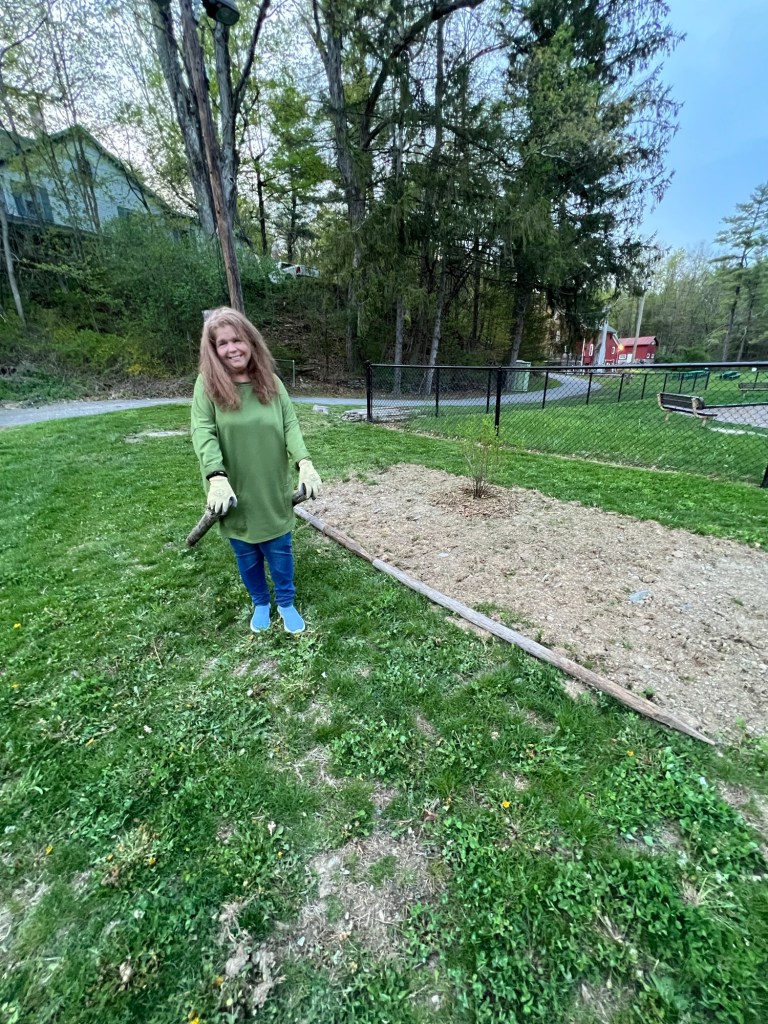
On September 13, 2025 during Community Day, the Town Supervisor and Chair, Mary Langenau and myself spoke about the importance of growing native plants at the dedication of Native Plants of Hyde Park Garden at Hackett Hill Park on East Market Street.
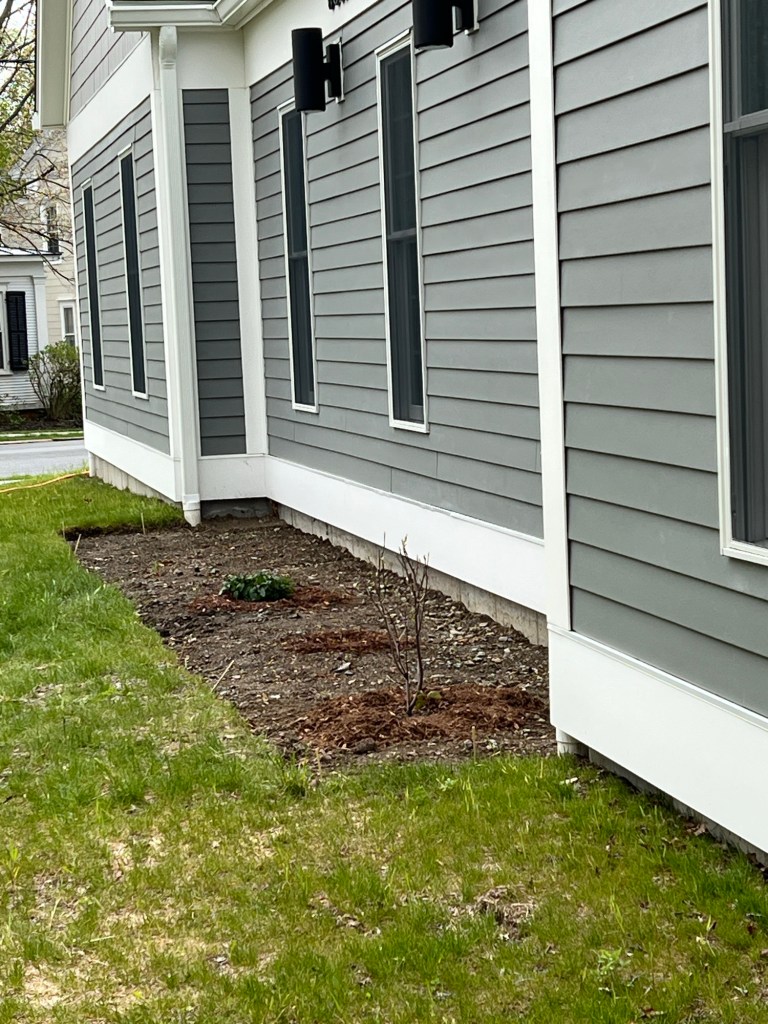
The 80’ long x 7’ wide garden bed is complete with native trees, grasses, and a diverse selection to provide a positive habitat for pollinators.
The focus is on plants that offer food, cover, water, and places to raise young – also qualifying as a National Wildlife Federation Wildlife Habitat.
On October 20th the Hyde Park Town Hall Pollinator Garden will be dedicated. Great care and research was done to ensure that 6a native plants would thrive.
The planting beds mainly face east and south and will be beautiful and purposeful gardens for decades to come.
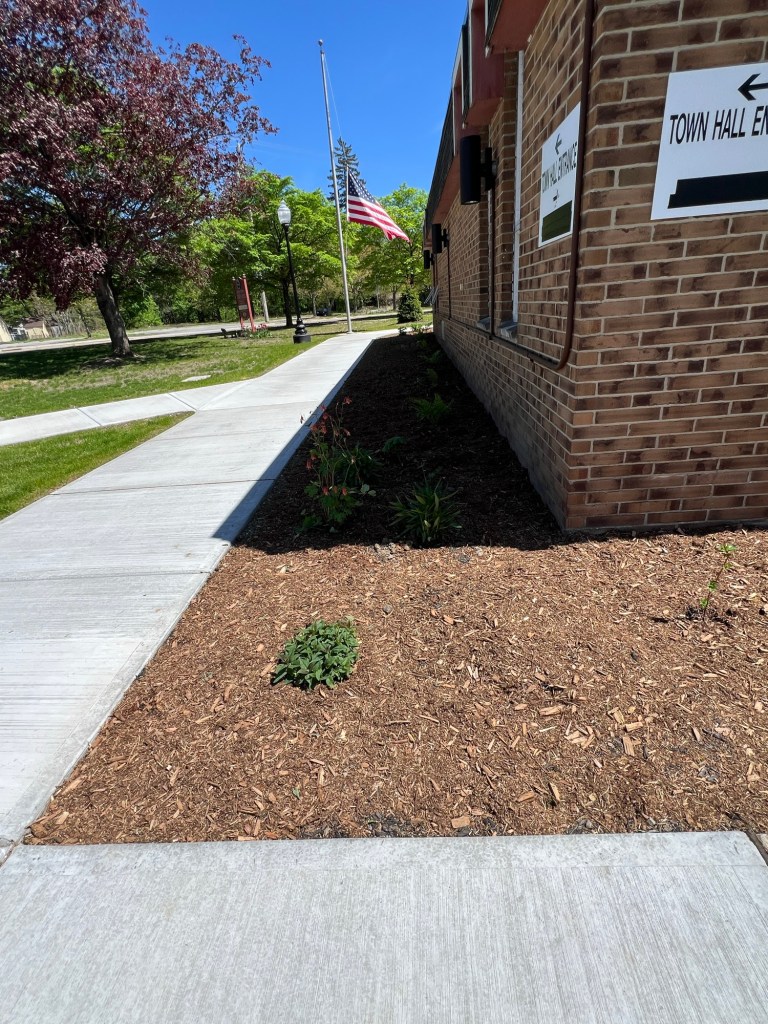
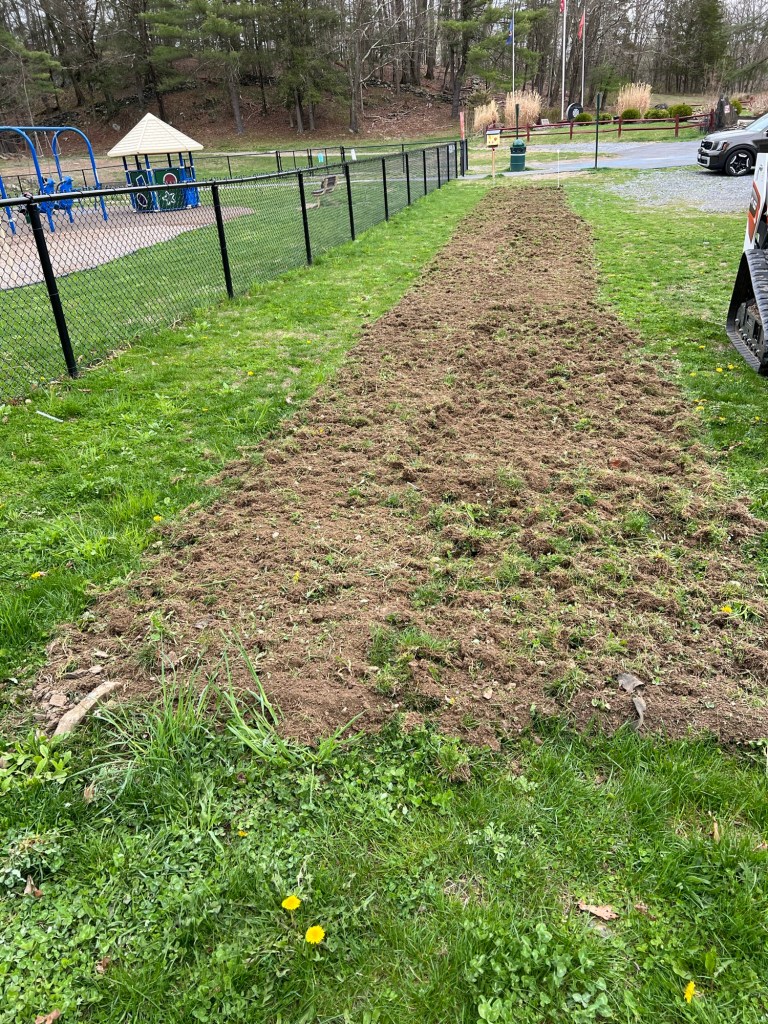
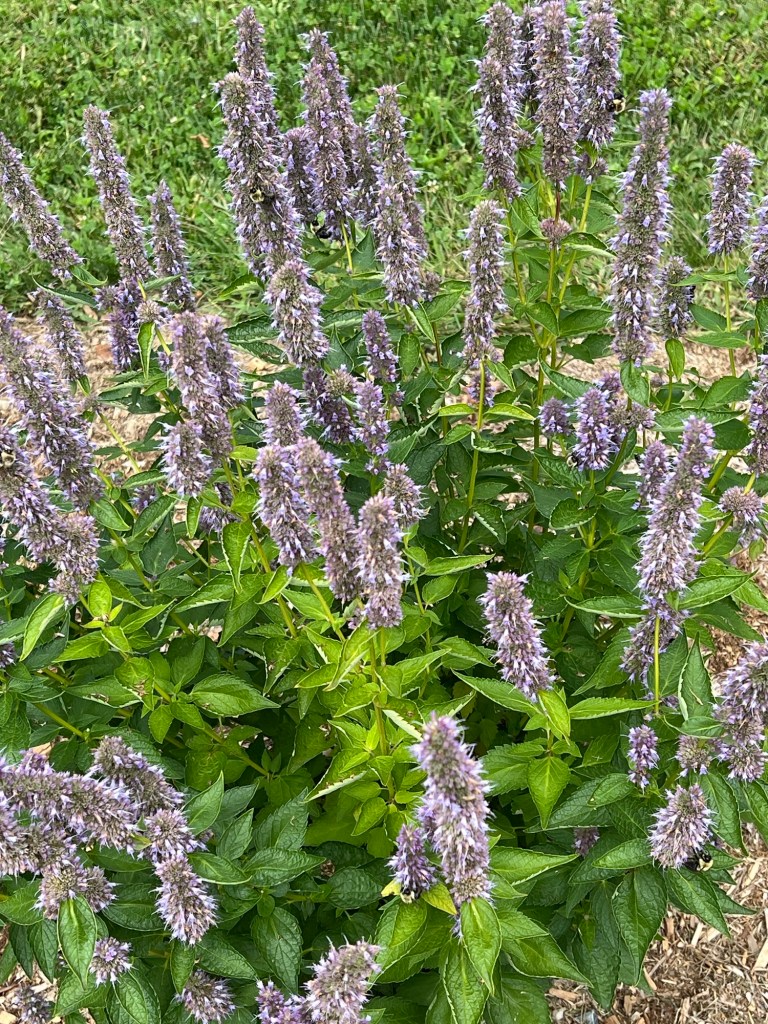


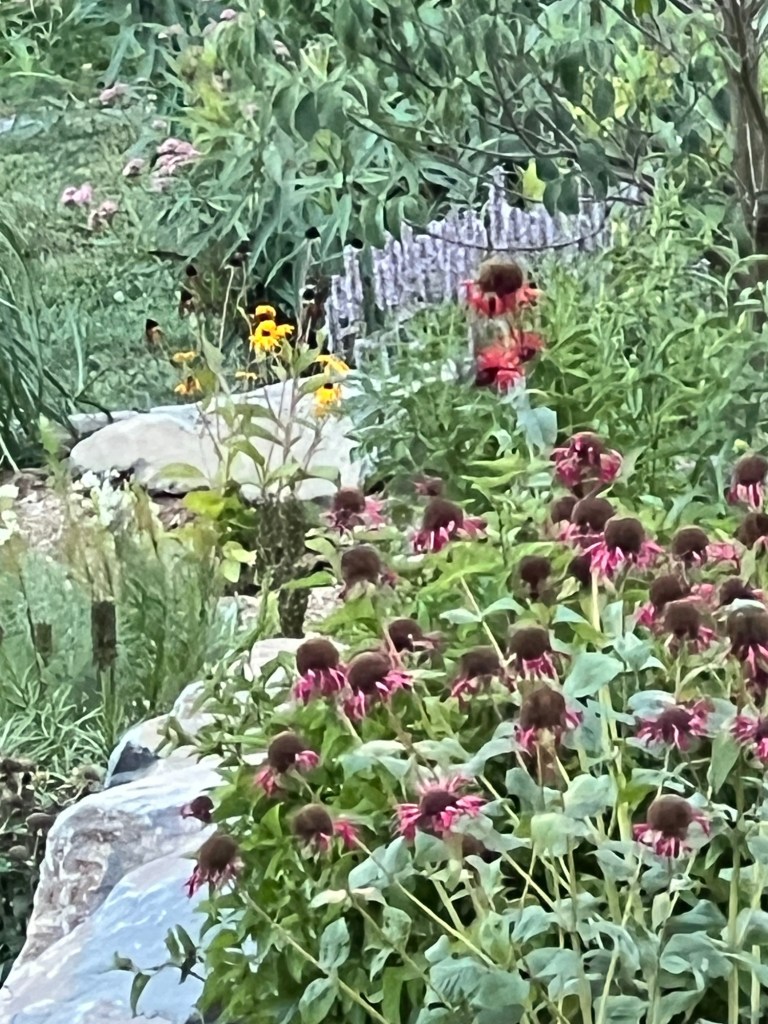


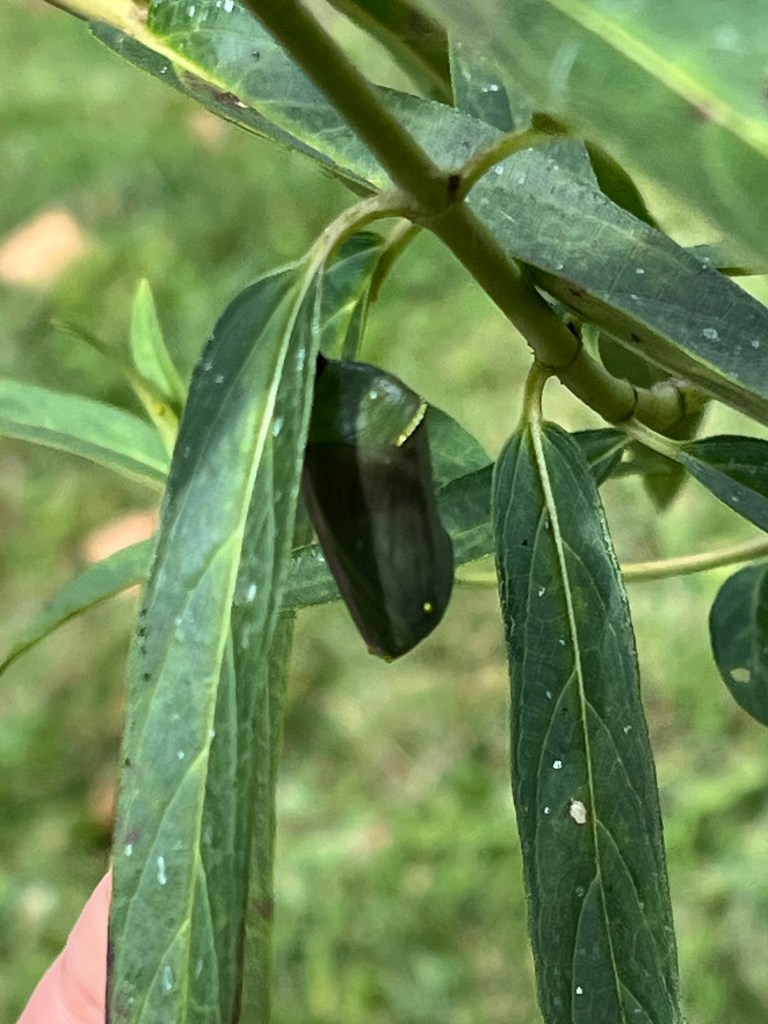
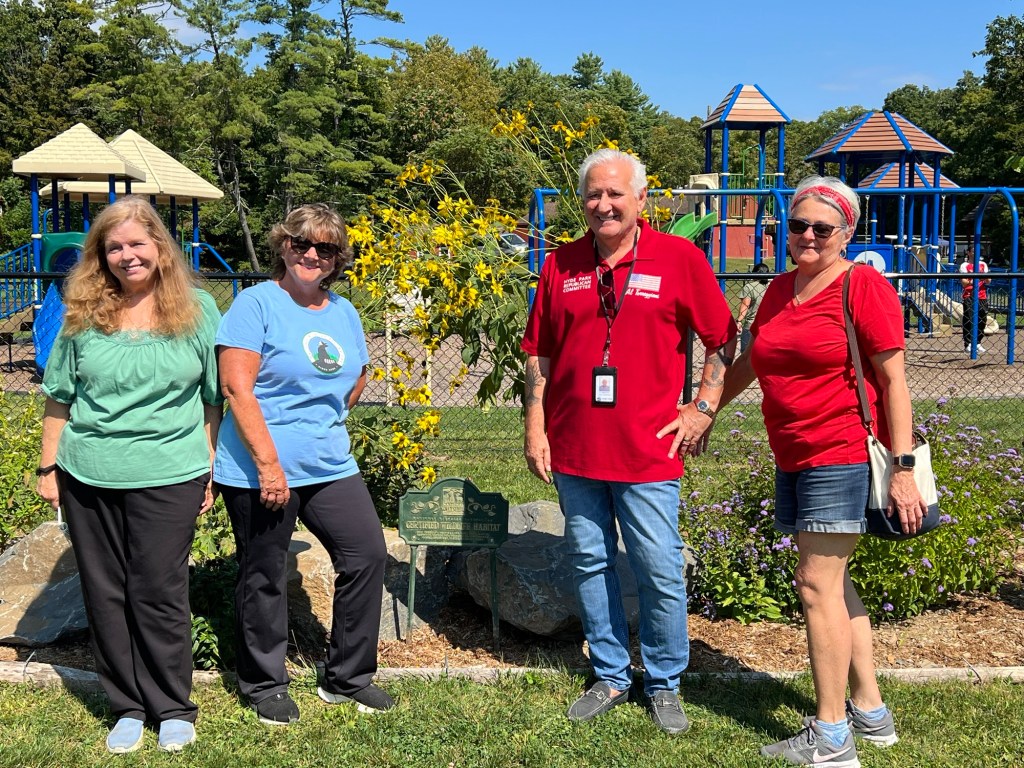
Supporting threatened native pollinators is the continuing goal with an emphasis on providing the nectar that the Karner Blue Butterfly, Monarch, and Swallowtail Butterfly depend on.
An organic garden and yard is easy to achieve.
Written by Barbara Hobens
First written for and published for Reviewed on July 10, 2019
Organic gardening means only using products that are natural, not synthetic, to care for everything you grow. Sounds great, right?
But keeping things simple can still be complicated if you’re not sure what to do. Want to start incorporating organic gardening and lawn care into your yard? Here’s everything you need to know.
Before the Industrial Age, home gardeners and farmers used natural ingredients to grow vegetables, fruits, berries, and herbs. Synthetic pesticides were introduced in the 1930s and 40s, but have garnered a mixed reception among users and produced potential health risks.
Gardeners can now look for labels that clearly state that the product is organic. The following products are no longer marketed or sold as being organic: synthetic pesticides, herbicides, fungicides, and genetically engineered or modified seeds and plants. DDT wasn’t banned until 1972, but only a few stores have banned RoundUp. Over a hundred products that are possible carcinogens are still being used. Read the entire label since “must wear gloves when using” is certainly not organic no matter how “Earth-loving” the product name sounds.
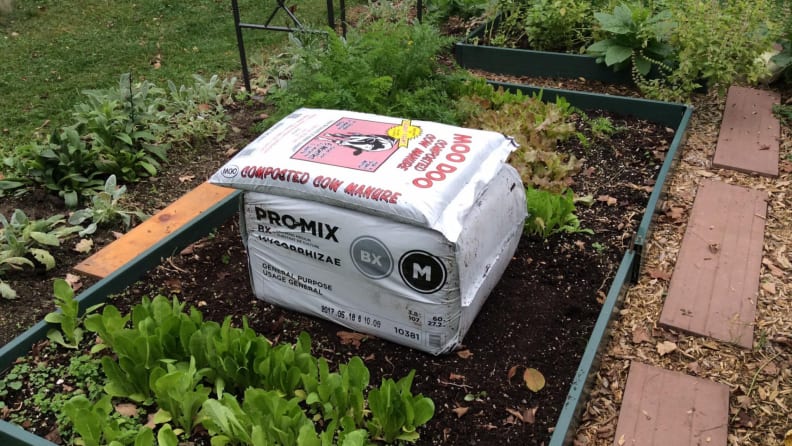
It is not a simple task to gain the legal right to have a product labeled organic by the U.S. Department of Agriculture and listed with the Environmental Protection Agency. When you buy something with their USDA Organic Seal label, it means it is free of pesticides and chemical fertilizers.
The terms “natural” or “all natural” have no legal definition with the EPA. They are responsible for protecting the environment, not food, and only certify organic garden and lawn products as being safe. Although the term “natural” should mean that it comes from the earth with little processing, that is not the case, so only purchase products labeled “organic” if that’s your goal.

There are several reasons you should consider tending an organic garden:
Products sold to kill insects and weeds and to make lawns more green is lucrative to the manufacturers, but needless for achieving a healthy lawn.
Organic lawns are also green and may often include violets and clover. They are safe for walking barefoot, for bees to visit, children and pets to play on, and wildlife to walk across and eat.
In small growing spaces, such as a window box, hanging planter, or container, don’t expect an unending source of nutrients to keep the flowers, vegetables, or herbs fed. You’ll need to supplement with fertilizer for optimum growth with an organic all-purpose fertilizer to the surface once they are planted.
Fertilizer can be added to annuals every two weeks. There is no need to make a fuss out of feeding your plants since it is not a precise or complicated science. Whether you purchase a powdered fertilizer, slow-release pellets, or something in a water-soluble form, read through the ingredients of the directions carefully and make sure the word “organic,” not “natural,” is used.
Fertilizers list a ratio of three numbers on the bag or box. The first number is nitrogen, which produces more chlorophyll, making foliage grow quicker; the middle is phosphorus, for root development and bloom size; and the third is potassium, which is key to disease protection. You can add a 5-10-5 granule mix to the soil in early spring and follow with a time-release fertilizer to last the rest of the gardening season, but the benefits will only last through that growing season. A soil test is best to determine what supplements your planting areas need.
For all fertilizer applications, wet the soil thoroughly beforehand and take care not to get any on the plants’ leaves or stems. Always follow with a deep watering since it stimulates plant growth and increases your plants need for water. Jot down when you have fertilized on your calendar or in your garden journal to note results and to plan for next year.
In addition to traditional fertilizer, there are some DIY methods you can use to boost the health and look of your garden.
Burying fish heads in vegetable gardens is a tradition for some folks, but nowadays, it’s easier to add fish emulsion that is a lot less complicated and is available in a concentrated liquid. Add a capful in a watering can or bucket and fill with water to feed all growing plants. Since the scent can linger, we suggest applying a few days before a garden party.
Mid-summer hot temperatures can stress out your tomato plants. If you notice that the leaves are yellowing just as the tomatoes are turning from green to red despite getting enough water, it could be a magnesium deficiency. Scratching some Epsom salt into the soil around the plants gives a natural boost to the roots.
Create a compost “tea bag” to add essential nutrients. It’s simple: Add some compost or manure into a piece of cheesecloth or into a clean cotton sock. Close the top with a rubber band and add your “tea bag” into a bucket of water or watering can. Let it sit for a week, remove the bag, and pour around your plants.
Control garden pests organically by spraying on a multi-purpose pest killer, horticultural oil, concentrated liquid garlic, fungicides, or create-your-own recipes. Temptations to stray to chemical warfare may emerge when unwanted pests attack, but there are many organic products and homemade cures that are just as effective. For pests, Pyrethrum spray and insecticidal soap works wonders.
Here are some common summer culprits to keep an eye out for:
While pruning a rose bush, you may see tiny black aphids attached to the stem. Put on gloves and grab onto the affected area, set your water nozzle at a stronger setting, and just blast them off. You can also spray organic insecticidal soap to kill harmful insects such as aphids, mealybugs, and white flies.
Or try this organic homemade remedy right from the kitchen: Place some unpeeled garlic bulbs in a jar and cover with vegetable oil. Let this sit for a day, then add 2 tablespoons of cayenne pepper, 10 shakes of capital Tabasco sauce, 2 tablespoons of dishwashing liquid, and shake. After it settles, pour the mixture into a 32-ounce plastic spray bottle and fill to the top with water. Spray on and under leaves and stems. Make sure you label the bottle and refrigerate the rest for future use.
Do the full, pink phlox or monarda look like someone shook dusting powder all over the leaves? Powdery mildew is a common fungal disease caused by dry soil and high humidity and seems to occur after brief summer thunderstorms. Depending on the severity of the mildew, a few homemade recipes will work. One option is to remove the affected leaves, prune the plants to improve air circulation, and fill a sprayer 40% of the way with whole milk and 60% with water. Spray the plant with the mixture, and make sure you get the underside of the leaves. Another successful recipe for reducing powdery mildew is to add a teaspoon of baking soda and three tablespoons of horticultural oil to a sprayer and top with water.
Slugs can do a lot of damage to healthy plants. If you don’t have slugs, you are very lucky; if you do, join the party. There are a number of options you can try: add some dishwashing liquid and water to a jar and as you see them, pick off the plant and drown them, buy anti-slug pellets, pour salt on them, ring plants with crushed egg or seashells, circle your garden with copper flashing tape, or placing dryer sheets just under the soil. Since this is easier and effective, I pour non-alcoholic beer in a tuna can “planted” even with the ground; they crawl in to drink and drown.
You can order beneficial bugs to release in your garden to eat up the ones eating your plants. Numerous catalogs offer live delivery of insects. Ladybugs eat aphids and mealybugs, and praying mantises eat every insect in sight, with a special appetite for tomato hornworms and flies.
Weeding is part of the gardening experience—seeds are brought in by birds and spread in the wind. Physically pulling them is the most effective way to reach a weed-free garden. Pick them by hand as soon as you see them. Make sure you get out the whole root or it will just grow back and most likely spread. Invest in a great weeding tool that will get the entire root out.
Purchasing seedlings that have been grown organically is more expensive, but can be worth it for those looking to grow organic plants.
Plant and garden supply catalogs list an assortment of liquefied, concentrated, pelleted, composted, and granulated organic fertilizers and soil amendments. Some natural and recycled ingredients available include kelp; cow manure; worm castings; ground crab, lobster, and crawfish shells; bat guano; rock and mineral powders; bone meal and dried blood (high in nitrogen and a great summer soil booster).
Visit garden shops for new products and fun ways to add organic nutrients to your soil. A few years ago, I was given a gift of small frog and rabbit statues made from compressed manure that slowly disintegrated. They looked right at home in an herb planter on the roof garden, and (like all aged compost) they were odor free.
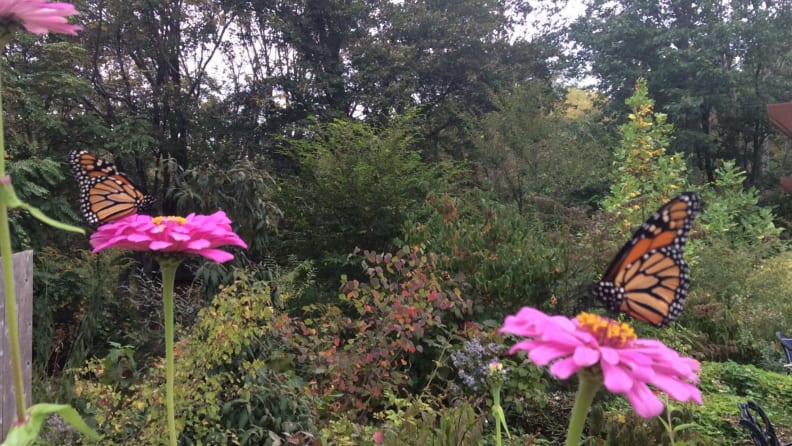
Do you enjoy welcoming wildlife to your garden and buy seed or suet to attract songbirds to your yard? Do you purchase plants that you hope will attract bees, butterflies, and hummingbirds? Consider how the products you’re using in your garden beds, on your lawn, and elsewhere in the yard may harm or even kill them.
Organic gardening is simple, less expensive in the long run, and you can smile when you notice a bird eating a berry or a rabbit nibbling on the grass, and know you have helped nourish them.
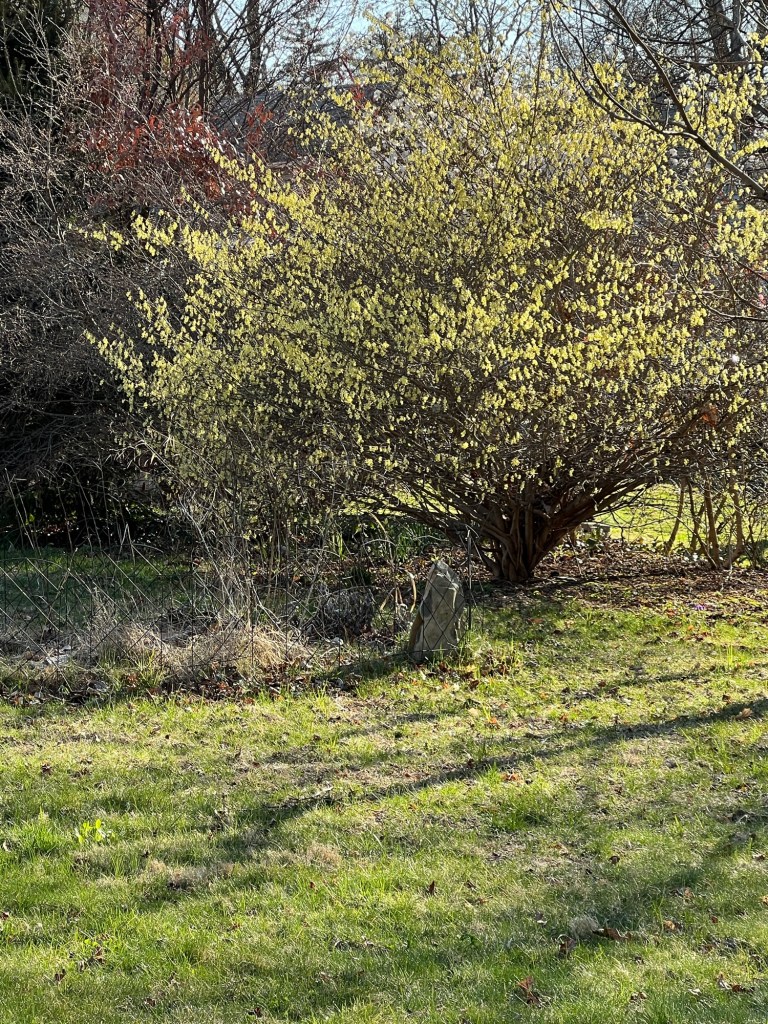
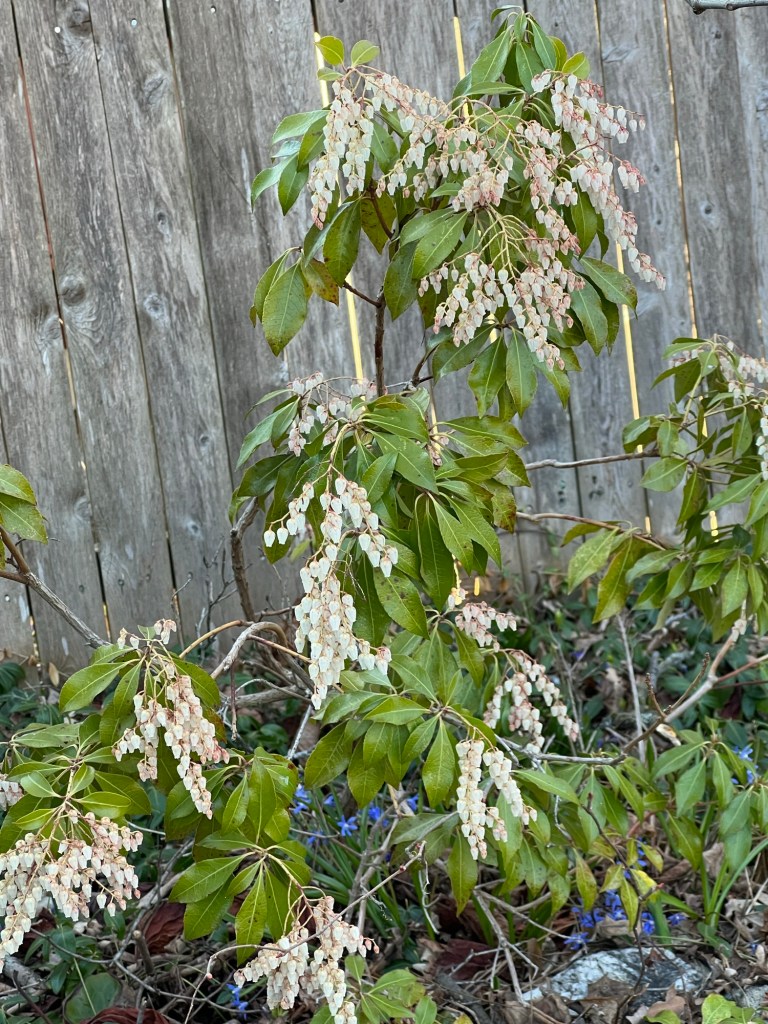
Looking back at garden notes, everything seems pretty on track. The Witch hazel tree faded last week and Bleeding Hearts are emerging.
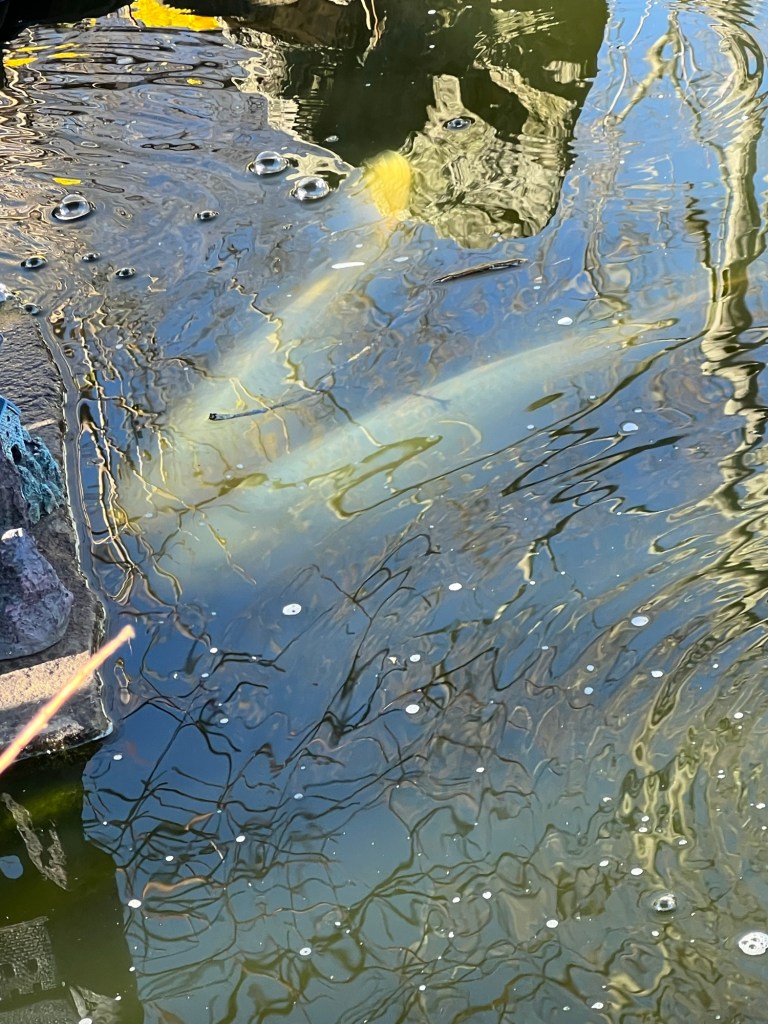
But although I see some Skunk Cabbage up along the stream, it is COLD…down to high 20’s!
But- enjoying every new bud and flower this year. My garden is my place to try to switch off the reality of such negative news.
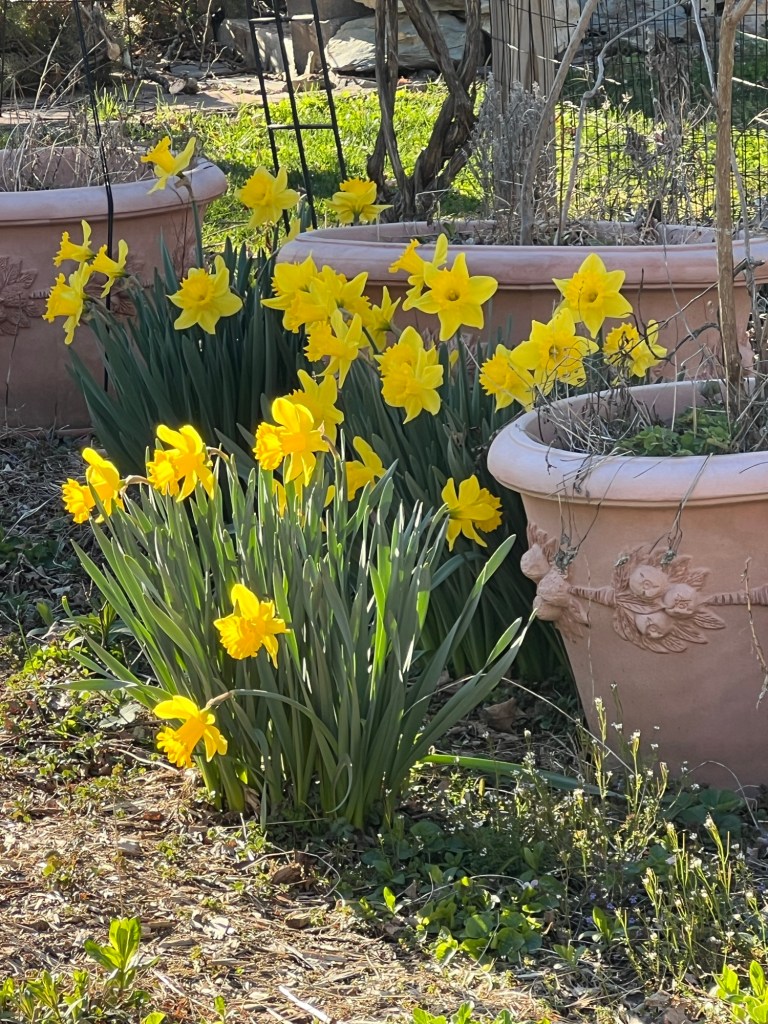
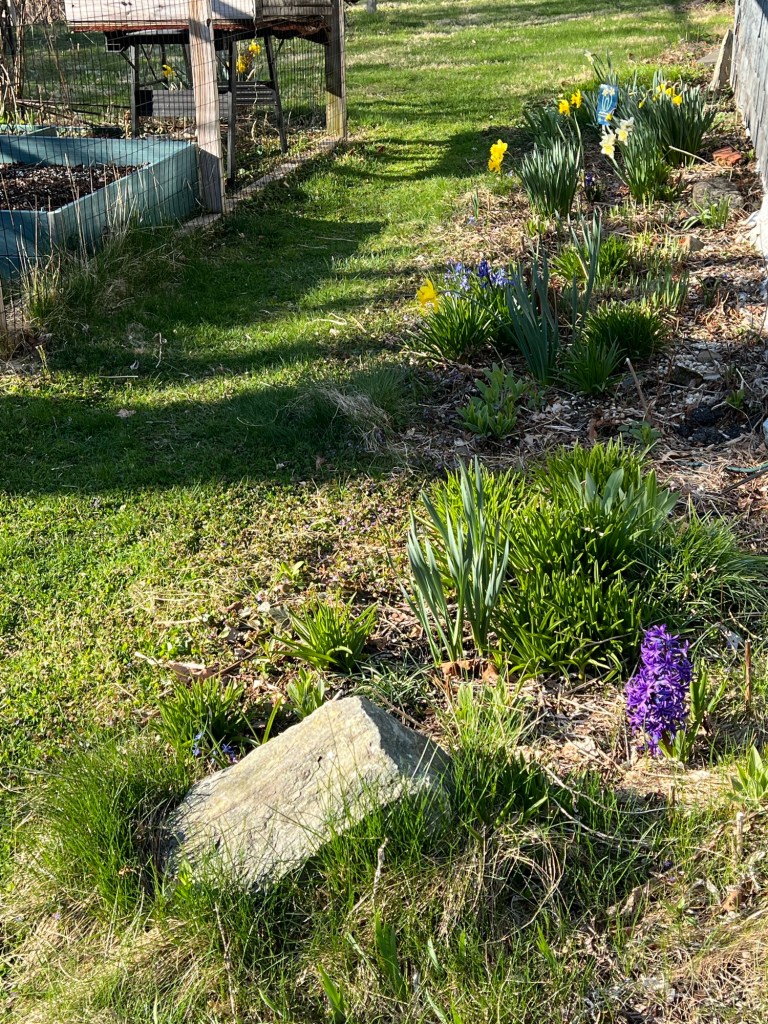
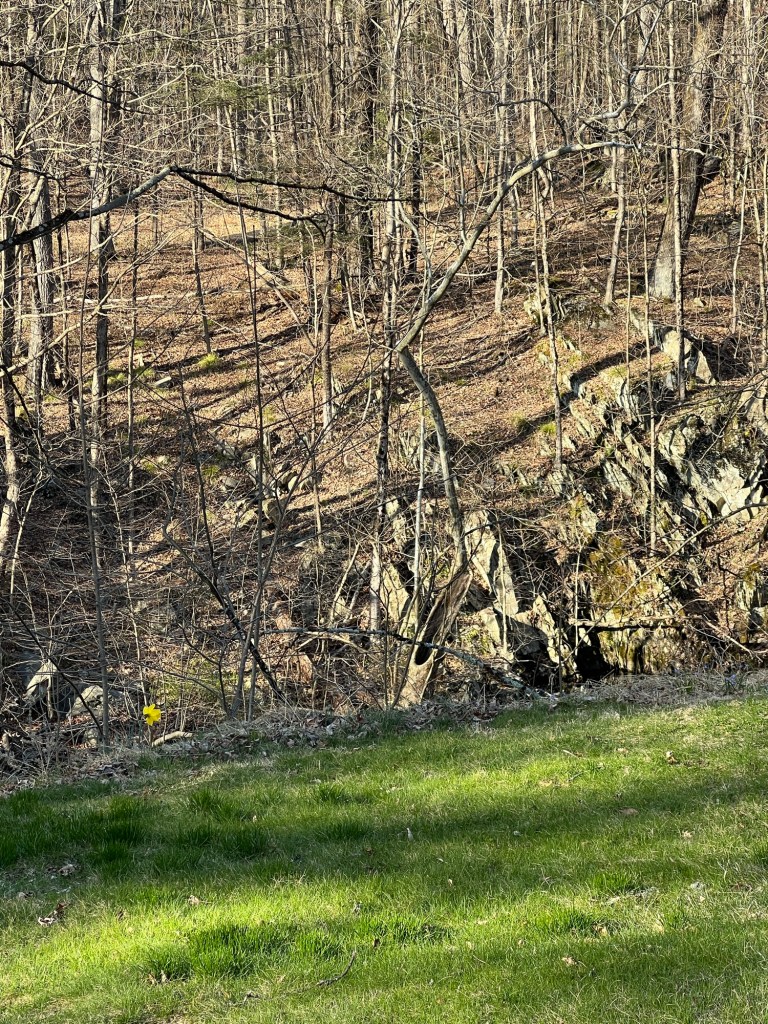
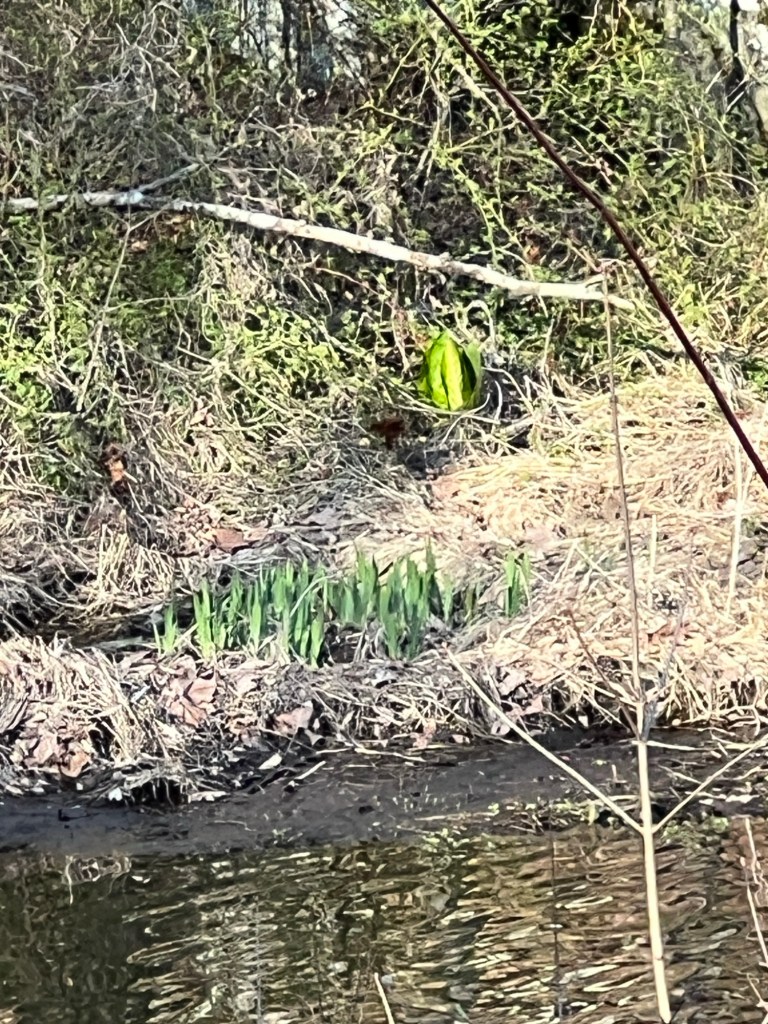
Hoping that your garden is bringing you joy, too!
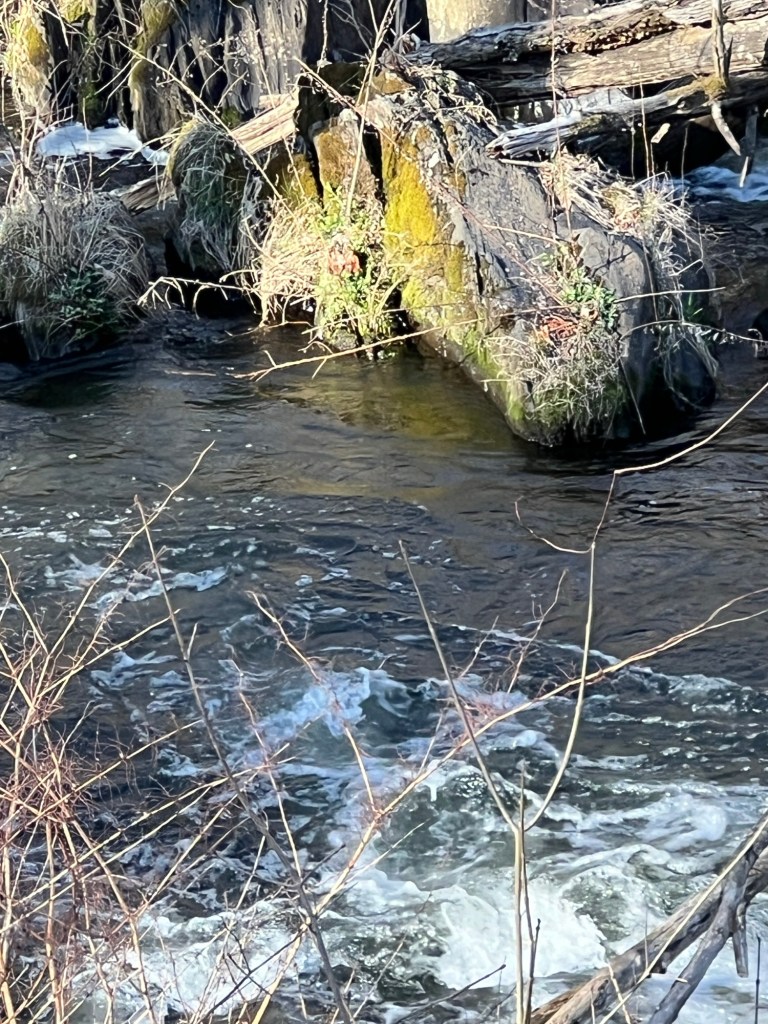

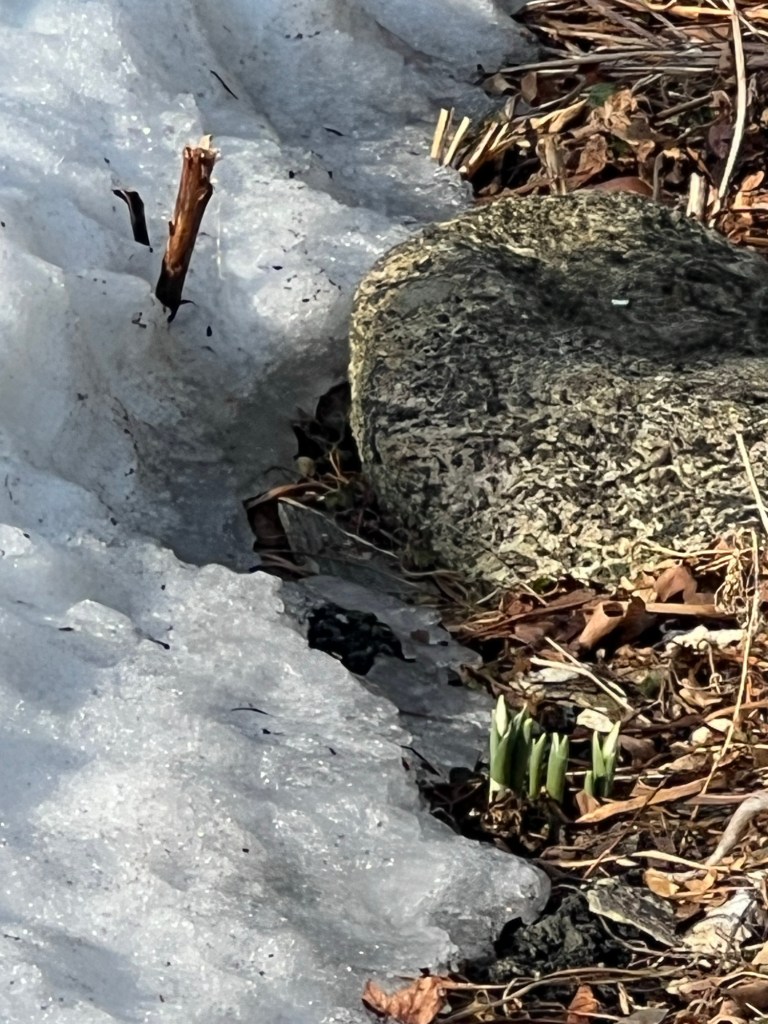
See where the snow has melted first? Is it against the south side of the house or west side of the garage?
Create an “Late Winter Map” of your outdoor spaces to pinpoint best places for planting future spring-flowering bulbs in the fall.
If you place a boulder or create or have a natural rock outcropping, this is where the soil will heat up and enable earlier snowdrops and crocus to emerge.
One of the largest and most unique urban gardens I designed was for the Salvation Army’s International Social Justice Commission on East 52nd Street. As fate would have it, had just moved from bustling West 44th Street in Midtown Manhattan to a home an hour north on the Hudson River on a Revolutionary War dirt road in Garrison New York.
So… I commuted by train to Grand Central Station with, yes – my favorite garden tools. Since it was post-9/11 I did preemptively check in with MetroNorth security since I would be openly carrying objects that could have been taken as weapons. True story!
A colleague on the Woodland Landscape Council of Manitoga: The Russel Wright Design Center, had recommend me for the commission and, after meeting and seeing the site, was hired. The first photo, the “before” was even worse than it was since they had just started excavating a large hole at the other end to add an elevator.
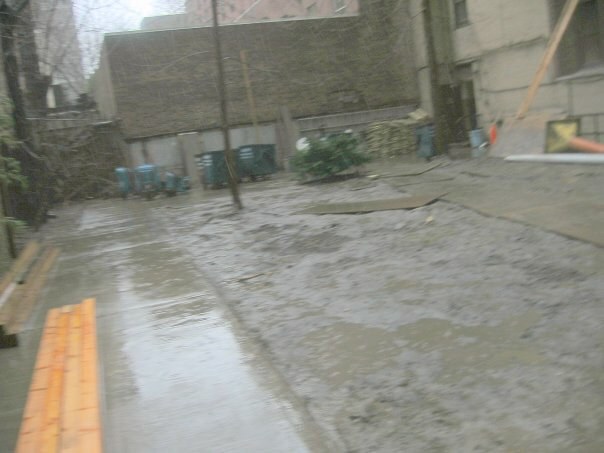
As I walked the site, I asked the elevator crew if they had run into the natural bedrock called Manhattan Shist. They promised to keep an eye out for any large hunks of the shiny quartz-and-garnet shimmers as they dug. About three weeks later, I was back on-site accepting nursery deliveries and arguing with Consulate General of Hungary employees that they did not own the sidewalk. Was absolutely amazed to see that a selection of absolutely stunning pieces and long thick “seats and tables” of gorgeous shist were placed carefully at one end of the backyard! Now THAT was a great crew to work with!

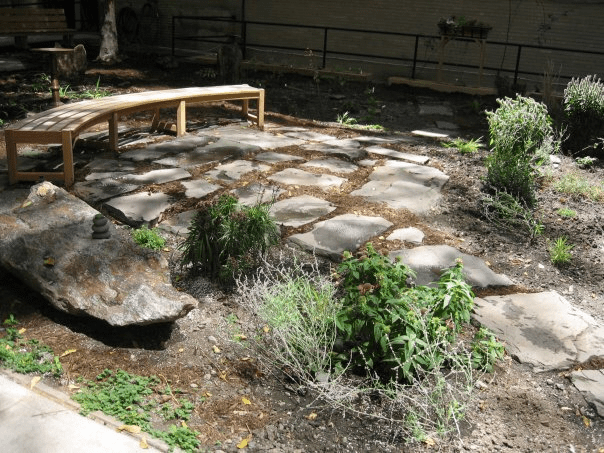
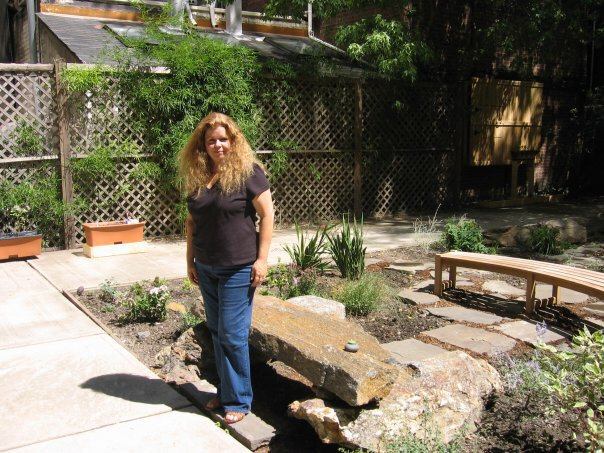
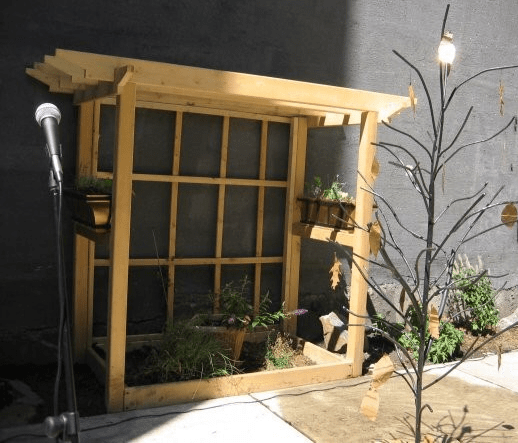
Just in time for the official dedication of the garden, a perfectly bored-out 5′ tall piece of shist was placed and the fountain was turned on to add the last of the 5-senses for the staff and visitors to enjoy. The “wishing tree” was created by artist Mark Martini (1956-2010), foreman of R&G Wrought Iron in Cold Spring, NY and copper “leaf” wished were added by participants.
The amaryllis is such a beautiful and cheerful welcome to see during the winter! Watching the stem and flowers emerge a bit each day (while turning the planter near a direct light window to get “even sunlight”) is a treat for every gardener.
I have purchased them through the years from White Flower Farm, local garden nurseries, and from Home Depot and Lowes and have never had a failure. Frankly, I don’t think you can fail! From a bulb to gorgeous blooms in 7-to-10 weeks. And, if you purchase a few of them, start in early October and then plant the bulbs every 2 weeks.
The box they come in with usually has a growing medium that expands when added to warm water. If not, add to a few inches of soil or potting compost in a container that is wide and tall enough for the bulb. Push down on the soil to make sure it is solidly planted but leave the top of the bulb uncovered. I have only had to “steady the stem” by using marshmallow skewers a few times.
Ideally, keep the pot where it gets direct sun, but I have never had them in the “recommended temperature of 68 to 70 degrees F.” This 1890 house is kept at 60-61 degrees and all three photos prove they do just fine!
Add some warm water to keep the soil moist and as the stem, bud, and leaves grow, add some more. The flowers will appear when the stem and leaves finish growing. After the amaryllis flowers all fade, cut them off the stem them cut it at the base when it starts falling over. Keep in or by a window and water and fertilize it for about 6 months. When you see the leaves turning brown, cut them down to about an inch, pull the bulb out, brush off the soil, and store in a cool dark place for 6-7 weeks then plant again!
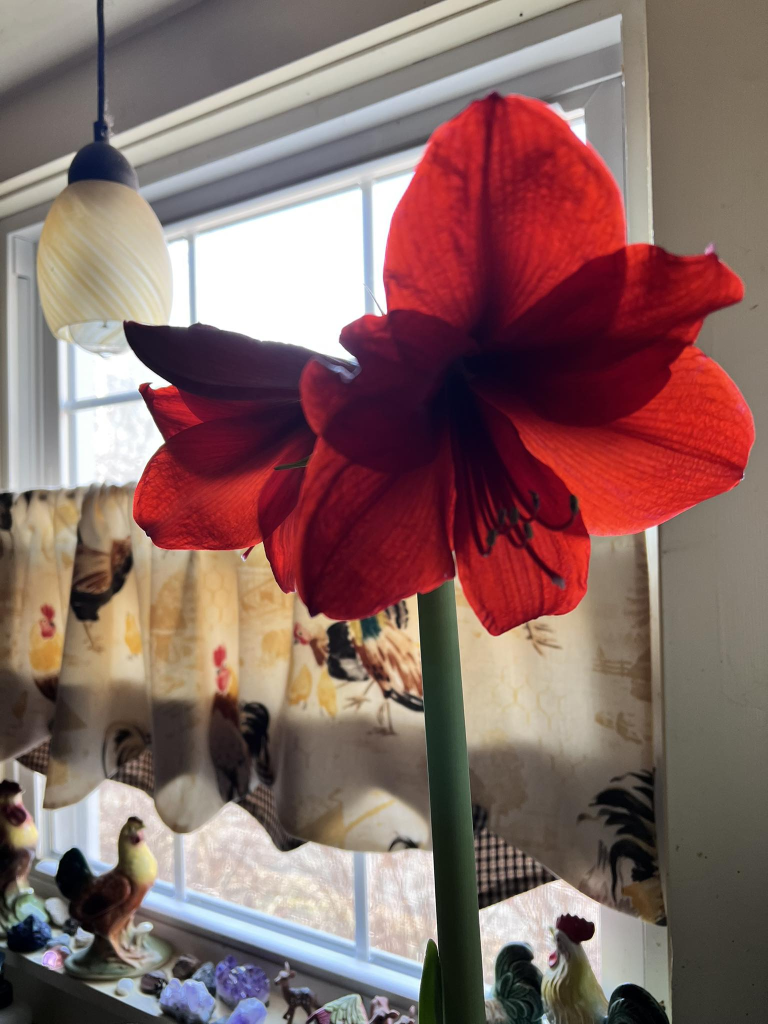
My Christmastime favorite – Red Lion.
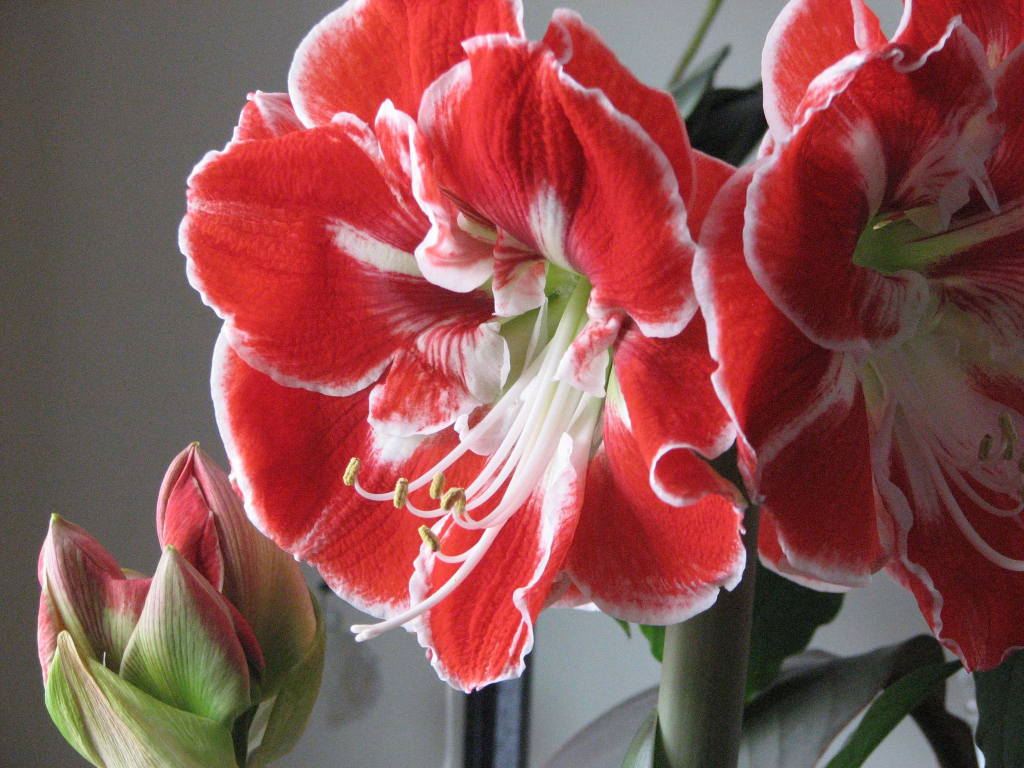
A note on pots: amaryllises grow fine using decorative bowls and containers without drainage holes. I have used marbles, pebbles, and just nothing but soil – taking care not to let the planting medium get too wet. I fill the soil just up to the fattest part of the bulb. Some friends add houseplant fertilizer and swear that it increases flower size. I have never done it.
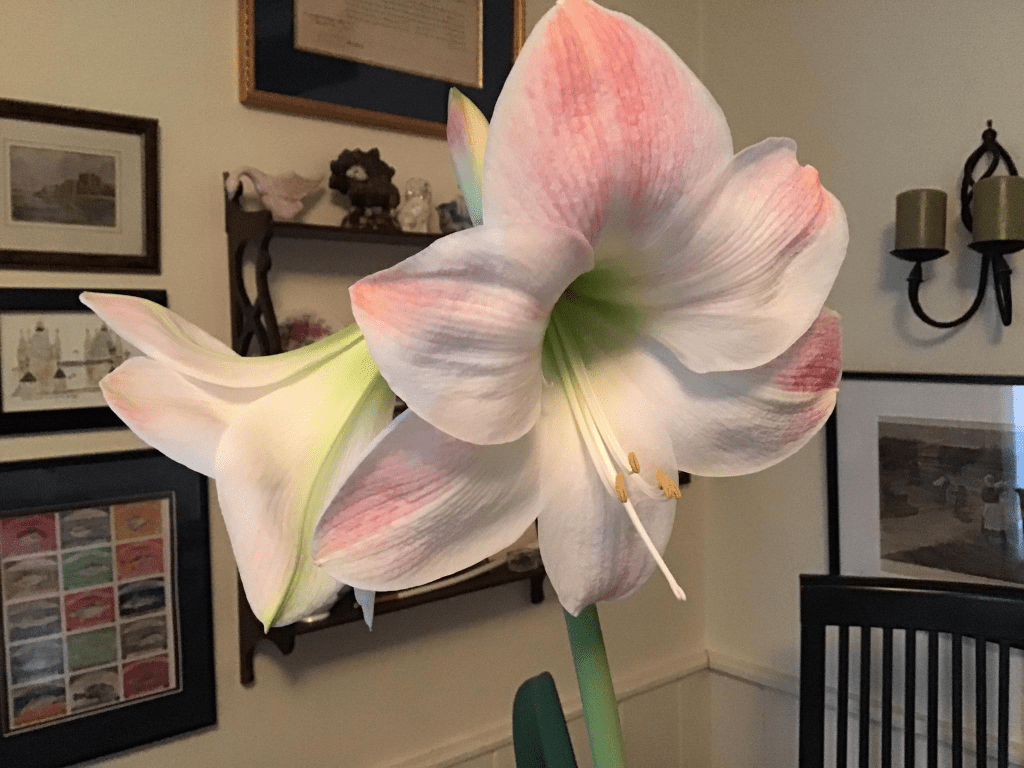
What are your favorites?
It is time to make decisions to get them ordered and then into the ground before Halloween (my personal deadline).
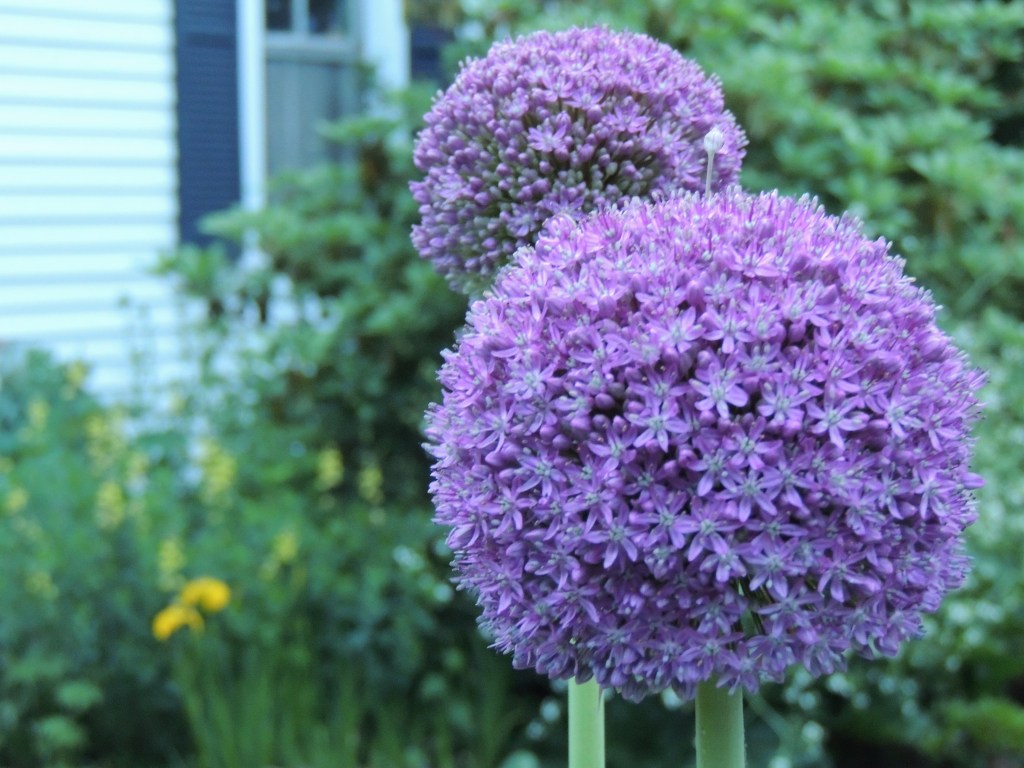
Alliums must be my favorite “show stoppers” because they literally stand up and above the whole spring garden. Also on the must list are snowdrops, crocus, daffodils (white and King Alfred yellow), heavily scented purple hyacinths, and of course tulips!

I love sharing what has worked for me in gardens I have had in the past and now. Not only a great tip such as “when you remove a weed, place some compost, another plant, or a handful of mulch in its place” but tools, plants, and products.
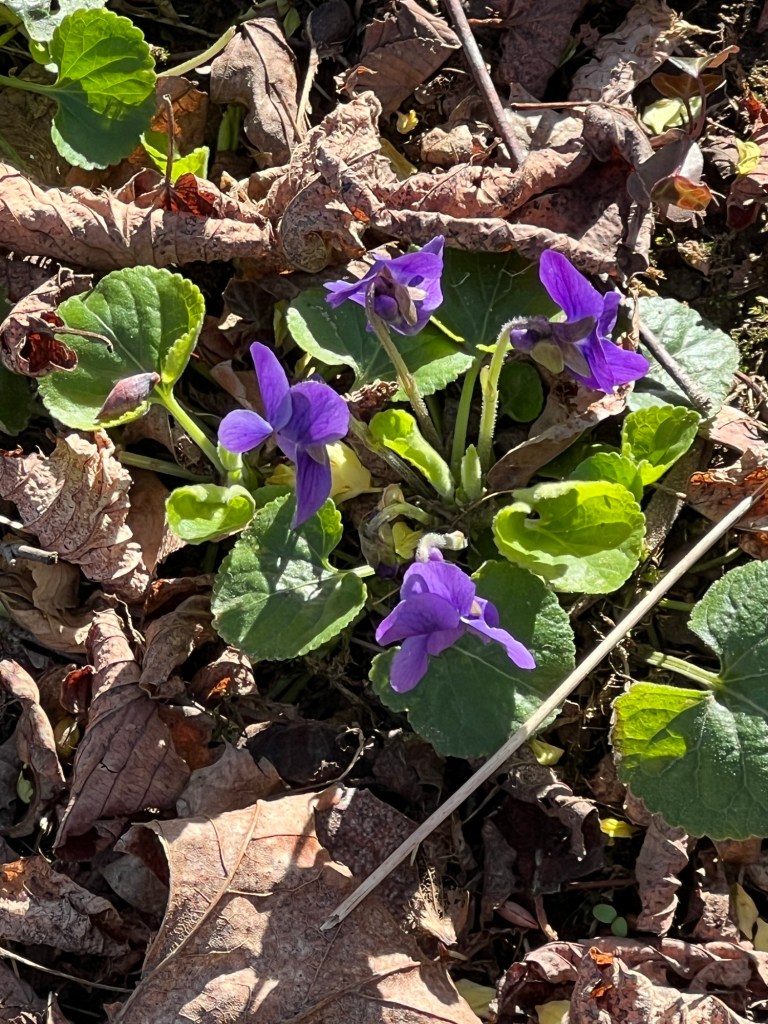
Ever since I was a toddler, I loved to just be barefoot and the best places in my experience have been the lawn and the sand just past the breaking ocean waves. I love to walk out the backdoor and around the entire yard to check on garden beds connected by an organic cushy grass and Dutch white clover lawn. The springtime show of beautiful crocus is now followed by violets, and later on – I mow around a patch of some spreading purple ajuga.
The noise and smell of a gas-powered lawn mower, and especially having to pull that damn cord umpteen times to get it going was not my idea of enjoying my garden so…. after I did use a push-mower for a small lawn in a wooded lot at a past house, I decided to purchase a battery-operated lawn mower for my “new” 1890 home.
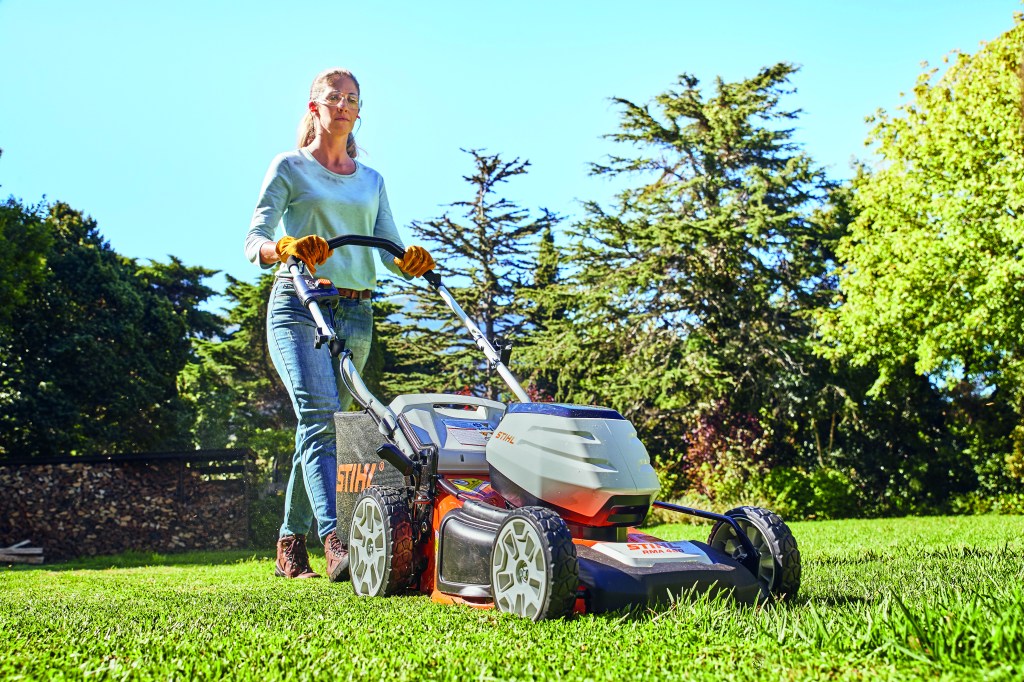
Photo provided by STIHL
No, I am NOT an affiliate with Stihl (maybe in the future) but I really do love this mower. I just pop the battery into the charger in the kitchen before I start making coffee and by the time I’m ready to head out to the garage, I just place it in at the top and go! Just one battery charge is all it takes me to keep the height I want – 3 inches. It is easy to adjust if you want to make a visual shorter “path” but the 3″ setting keeps the lawn green, lush, and healthy.
I only user the leaf catcher (easy just to place on the back) in the fall since I let some clippings stay on the lawn as mulch. BUT, once the leaves start coming down, it turns into a compost-maker for me! It grinds up oak, maple and other leaves with clippings and it’s a breeze to tip over into my compost pile.
To say you have to “push it” is a misnomer…since it just glides without much effort at all and is…. ahh…surprisingly quieter than any other I have ever heard. The bluebirds just glance over at me. Even the gentle slope at the north end of the lawn is an ease with this mower.
So, I absolutely love it! Having done my homework comparing features and reading reviews, the choice was easy and now I’m going into my third year of “loving my mower.” Here is how you can find a dealer near you.
Look for a future “here is how easy it is” post. Once I get in all the flower, vegetable, and herb seeds in!
https://lp.stihldealer.net/lp/dealers/?gclid=2054e2702586158c882c846db2d68ebb&gclsrc=3p.ds&msclkid=2054e2702586158c882c846db2d68ebb&utm_source=bing&utm_medium=cpc&utm_campaign=NES%20Core%20Search%20High%20Intent-B%20%28hr5-6lx%29&utm_term=stihl%20dealer&utm_content=STIHL%20Dealers
 BARBARA HOBENS